
Austria
Last updated: April 2026


Overview
What remote workers notice first about Austria.
Red-White-Red Card for skilled third-country workers
Vienna: liveable, cultural, coffee house tradition
Ski weekends from major cities
Strong healthcare and transport
Visa Spotlight
Red-White-Red Card (very highly qualified)
Thinking about working in Austria or moving there? Our expat guide covers visas, jobs, salaries, cost of living, and everything you need to know before you go.
- check
Income proof
Foreign remote income documentation
- check
Clean record
Police certificate where required
- check
Local address
Lease or accommodation agreement
- check
Insurance
Health coverage per application rules
Duration: 2 years renewable·Fees: €120+
Requirements: Points system — education, salary, language
Your passport matters
Entry and stay rules depend on citizenship and purpose of visit. Always confirm the latest requirements for your nationality with official government sources before you travel.
Full visa details arrow_forwardApplication process
The Red-White-Red Card (Rot-Weiß-Rot – Karte) uses a points system for very highly qualified workers, shortage occupations, self-employed key workers, and other tracks. You typically need a job offer or clear business case, recognised qualifications, German or English at required levels depending on category, accommodation, and health insurance.
Employers often file the Arbeitgebererklärung; you submit biometrics and documents at the Austrian embassy or MA35 in Vienna for residence processing. EU Blue Card route parallels Germany with Austrian salary floors—compare eligibility.
After approval, register residence (Meldezettel), obtain e-card health insurance, and start SVS or GKK contributions as applicable.
Renewal requires continued employment or business viability, language progression in some tracks, and integration module completion where mandated.
Common pitfalls: insufficient points, salary below threshold, wrong RWR category—use official AMS checklists and a lawyer for first applications.
Cost of Living
Vienna lifestyle index
Estimated monthly budget for a high-quality nomadic lifestyle including a modern apartment, co-working, and weekend trips—based on the guide's worked example where available.
Example month for a single employed person in Vienna (districts 5–9, non-luxury):
Rent (one-bed Altbau): $1,280 Utilities + internet: $165 Annual transit pass (Wiener Linien): $52 (monthly equiv.) Groceries: $340 Eating out / Heuriger: $230 Coworking: $185 Health + dental reserve: $70 Phone + software: $42 Culture / gym: $85 Miscellaneous: $115
Indicative total: about $2,564.
Graz often 15–20% lower rent; Salzburg tourist pressure raises short lets—long leases differ.
Top Nomad Hubs
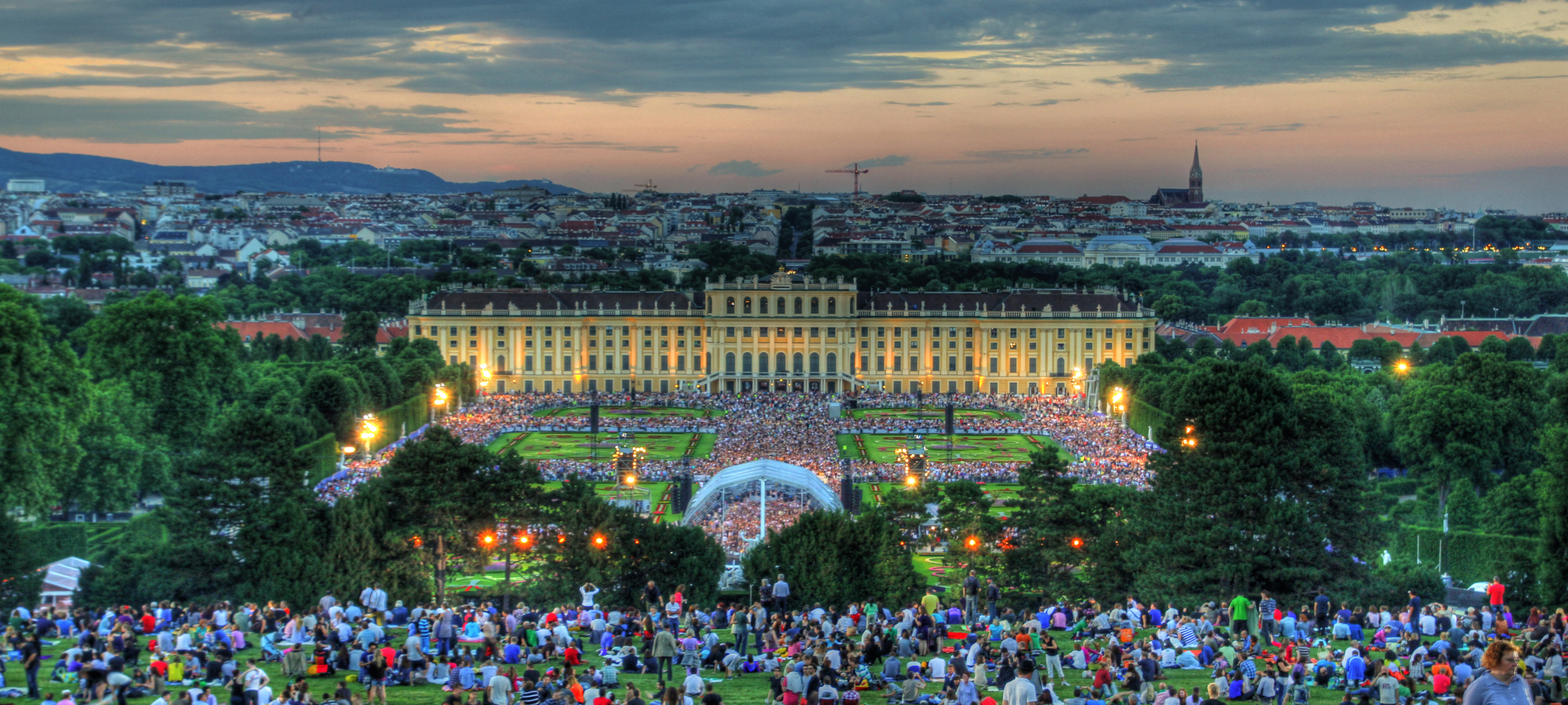
Vienna
Imperial, music, affordable-for-quality
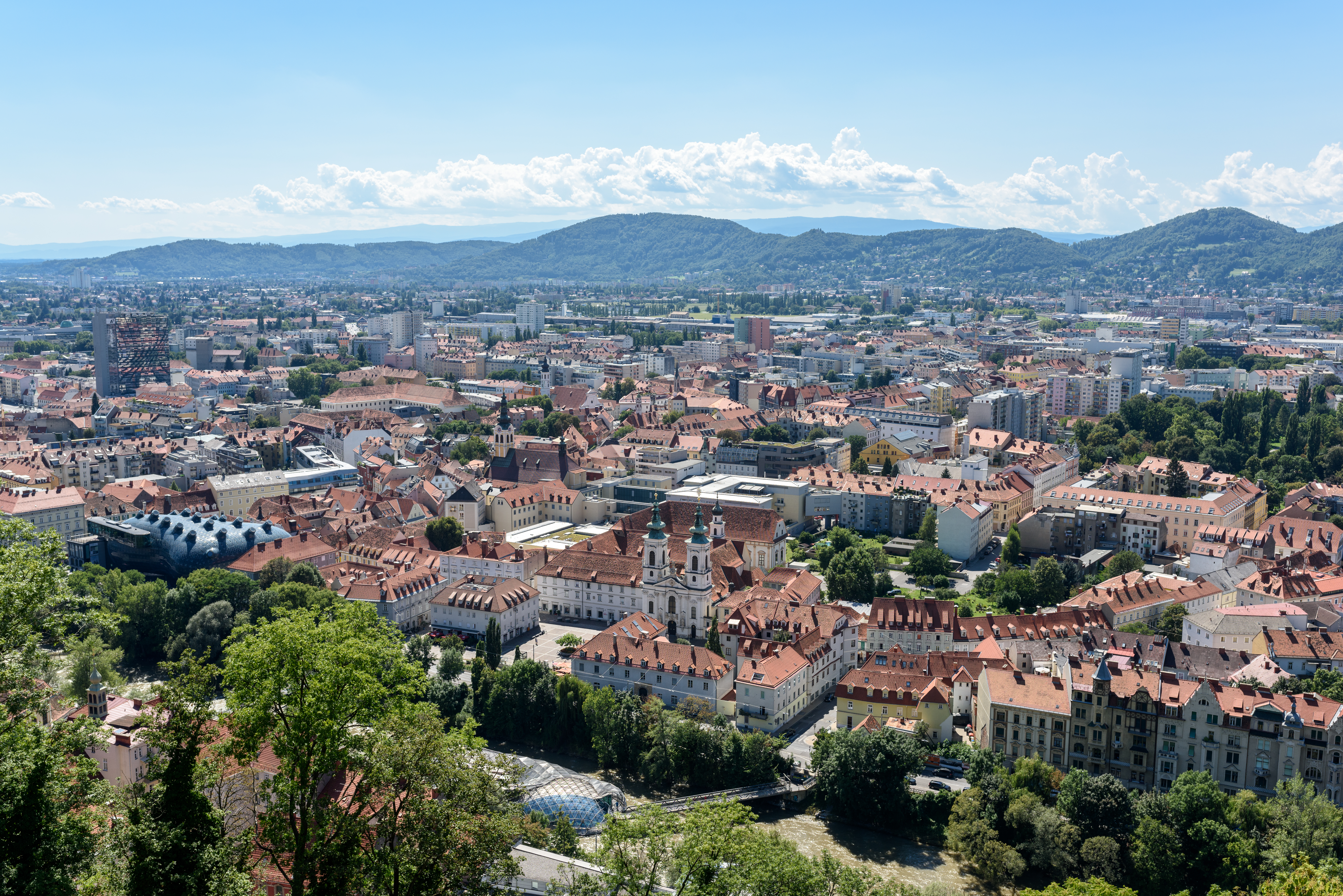
Graz
Student town, southern slower pace
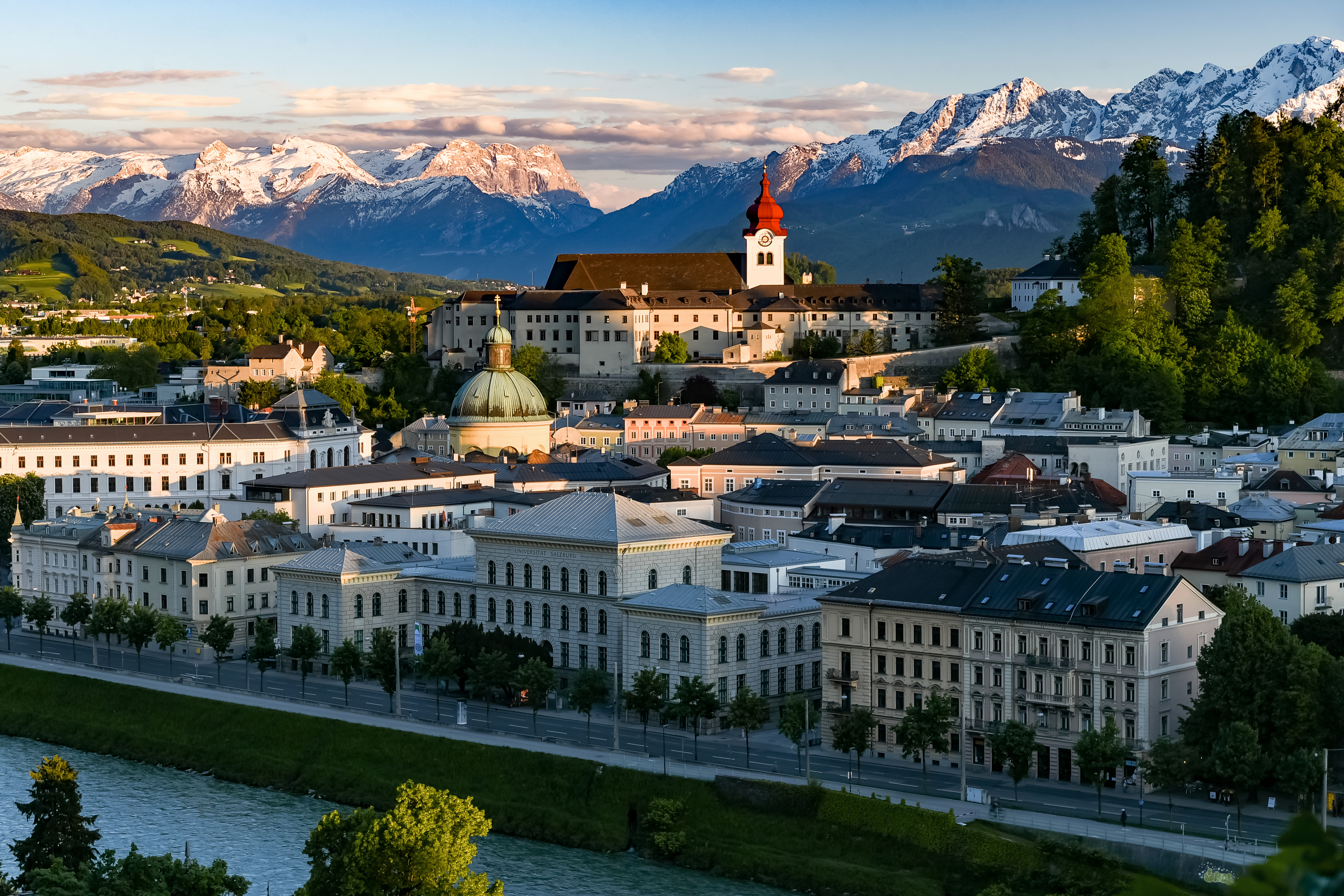
Salzburg
Mozart, Alps gateway
Neighbourhood picks
Vienna
Neubau
Creative, MuseumsQuartier, younger—popular; one-beds $1,100–$1,700.
Vienna
Döbling
Leafy, wine hills, quieter—premium; $1,200–$1,900.
Graz
Lend
Hip, Mur river, student vibe—$750–$1,150.
Banking & cash
Erste Bank, Bank Austria, Raiffeisen, and easybank serve residents. You need Meldezettel, passport, residence title, and proof of income—appointments often required.
SEPA transfers dominate; contactless cards universal. Wise/Revolut for foreign income—declare to Finanzamt if tax resident.
Cash still popular in rural valleys; cities card-first.
Self-employed: separate business account for SVS and Umsatzsteuer clarity—Steuerberater early.
Health & safety
Austria's statutory health insurance (GKK via employer or SVS for self-employed) delivers excellent outcomes—choose a Hausarzt for gatekeeping in many cases.
Emergency: 144 (ambulance) or 112. Private hospitals in Vienna add speed for elective care.
Dental basics covered partially—supplement for orthodontics. Mental health therapy access improving—expect waits for public psychologists.
Pharmacies strict but helpful—bring prescriptions from EU doctors.
Mountain sports: consider supplemental accident insurance if you ski off-piste frequently.
Culture & lifestyle
Viennese coffee house culture is UNESCO-worthy—linger with newspaper and Apfelstrudel. Punctuality matters; titles (Herr Doktor) persist in formal settings.
Alpine regions differ from urban Vienna—learn local dialect niceties. Sundays are quiet—no loud DIY.
Direct communication without British small talk—feedback is factual. Seasonal markets (Christkindl, Ostermarkt) anchor social life.
Learn German B1+; English works in tech but Behörde and landlords prefer German. Join ski clubs, Wanderverein hiking, and classical concerts—integration is cultural as much as linguistic.
The real talk
The advantages
High quality of life and safety rankings
Excellent healthcare and public transport
Alps on the doorstep
The challenges
German essential for long-term ease
Bureaucracy can be formal and slow
High tax burden on income
Join the conversation
Connect with nomads and locals—search these hubs to get started.
Frequently asked questions
Tax snapshot
Progressive income tax; social insurance via employer for employees — self-employed need SVS registration.
Community tips
Coffee houses for quiet work, ski clubs, learn German B1 for long-term integration.
This destination is perfect for…
Ready to work remotely in Austria?
Browse roles you can do from anywhere.
Browse jobs arrow_forward