
Chile
Last updated: April 2026


Overview
What remote workers notice first about Chile.
Stable institutions by regional standards — straightforward banking once documented
Santiago: Andean backdrop, strong fibre, regional HQ city
Valparaíso: colourful hills, port culture, universities — cooler ocean air
Puerto Varas / Lake District — outdoor gateway, smaller scene
Visa Spotlight
Permiso de Permanencia Transitoria (tourist)
Chile for remote workers: visas, Santiago vs regions, cost of living, taxes, and practical tips from Valparaíso to Patagonia gateways.
- check
Income proof
Foreign remote income documentation
- check
Clean record
Police certificate where required
- check
Local address
Lease or accommodation agreement
- check
Insurance
Health coverage per application rules
Duration: Often 90 days; extensions subject to rules — verify for your nationality·Fees: Reciprocity fee history for some countries — check current SERMIG / consulate
Requirements: Passport, onward ticket, accommodation proof sometimes
Your passport matters
Entry and stay rules depend on citizenship and purpose of visit. Always confirm the latest requirements for your nationality with official government sources before you travel.
Full visa details arrow_forwardApplication process
Chile's Servicio Nacional de Migraciones (Migraciones) moved many procedures online — create a profile, upload PDFs, and track cases. Tourist entry stamps vary; overstays carry fines — pay before airport exit.
Residence categories include rentista (passive income), work contract, investment, and family reunification — each demands a specific paper trail: apostilled FBI/police checks, civil docs, medical certs where listed.
Rentista applicants must show recurring foreign income translated and sometimes bank-certified — minimums change — verify peso equivalent on official tables.
After approval, obtain carnet, register RUT with SII if tax obligations apply, and open bank accounts with cédula. Private health insurance (ISAPRE) or public FONASA choice follows — decide with a broker.
Processing times fluctuate — months are normal post-pandemic backlogs. Keep digital copies of every stamped PDF.
Cost of Living
Santiago lifestyle index
Estimated monthly budget for a high-quality nomadic lifestyle including a modern apartment, co-working, and weekend trips—based on the guide's worked example where available.
Example month — Santiago, Providencia-ish:
Rent one-bed: $950 Utilities + fibre: $85 Transport (Metro + occasional Uber): $90 Groceries: $300 Eating out: $280 Coworking: $140 Gym: $55 ISAPRE-style plan: $120 Weekend trip savings: $150 Misc: $100
Indicative total: ~$2,270. Valparaíso can reduce rent 10–20% with trade-offs in commute noise; Puerto Varas lower dining variety, higher heating in winter.
Top Nomad Hubs
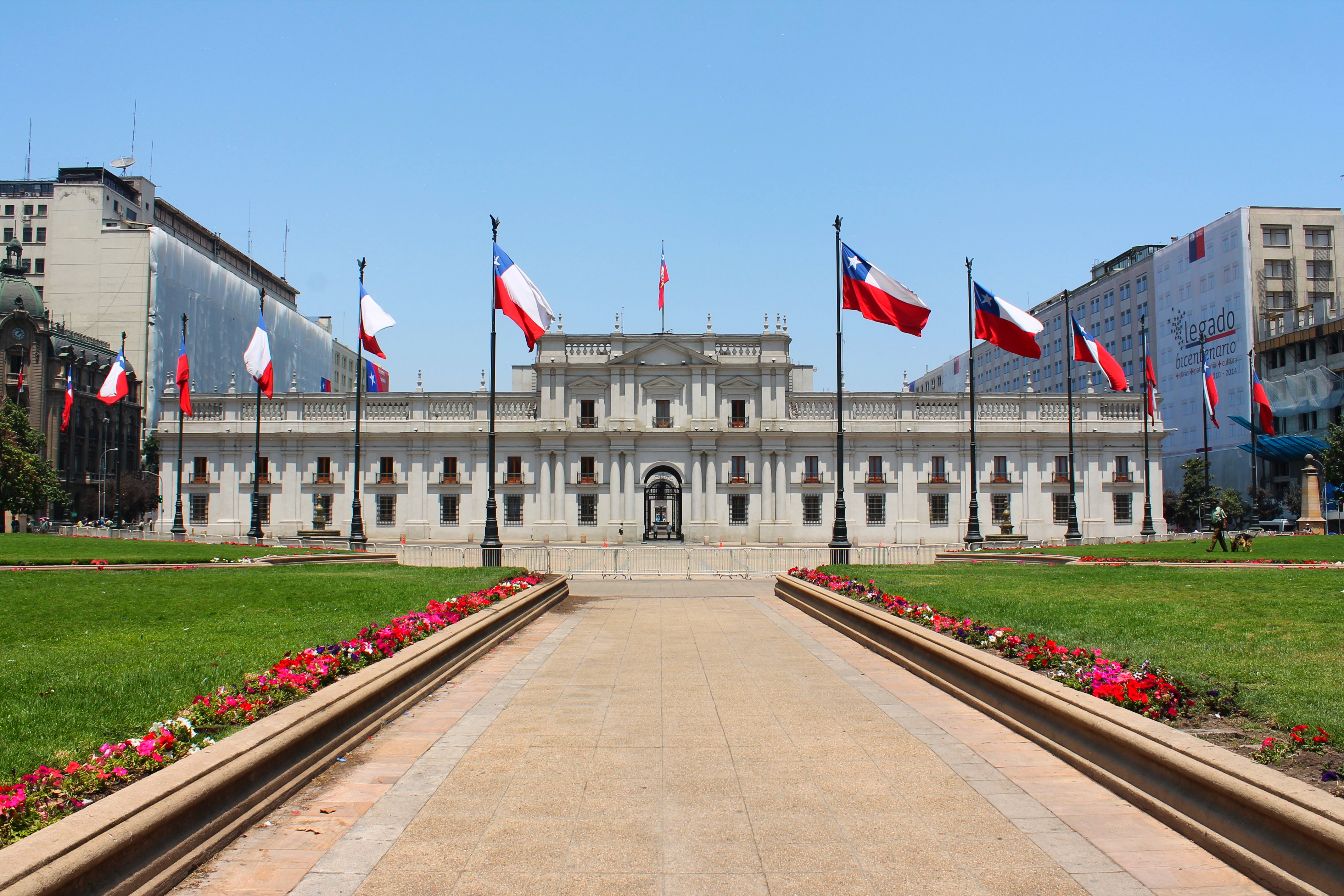
Santiago
Business capital — Providencia, Las Condes, Ñuñoa nomad pockets; smog in winter
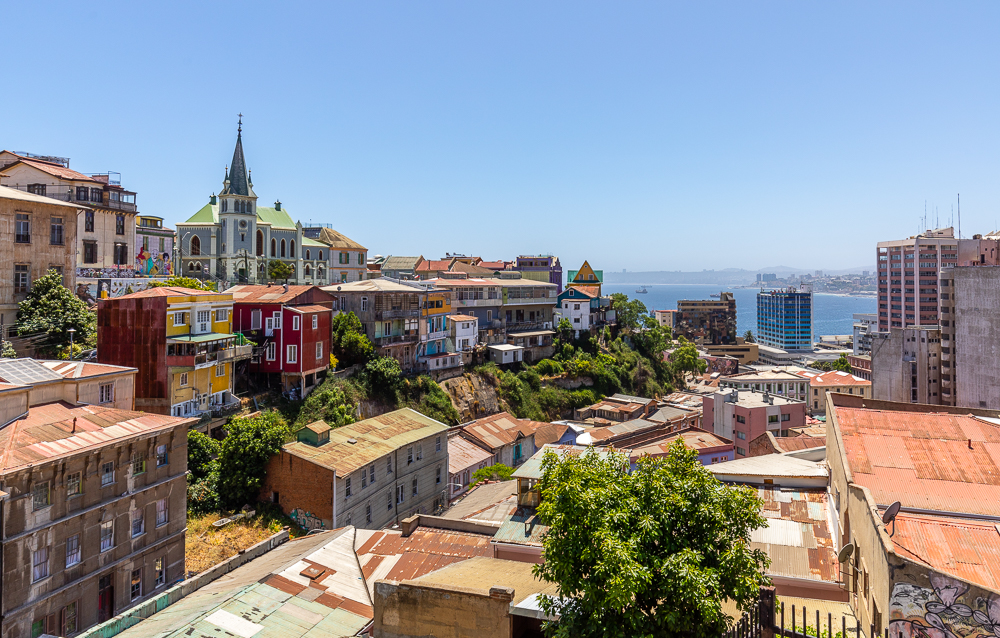
Valparaíso
Steep cerros, street art, students — edgier than Viña del Mar next door
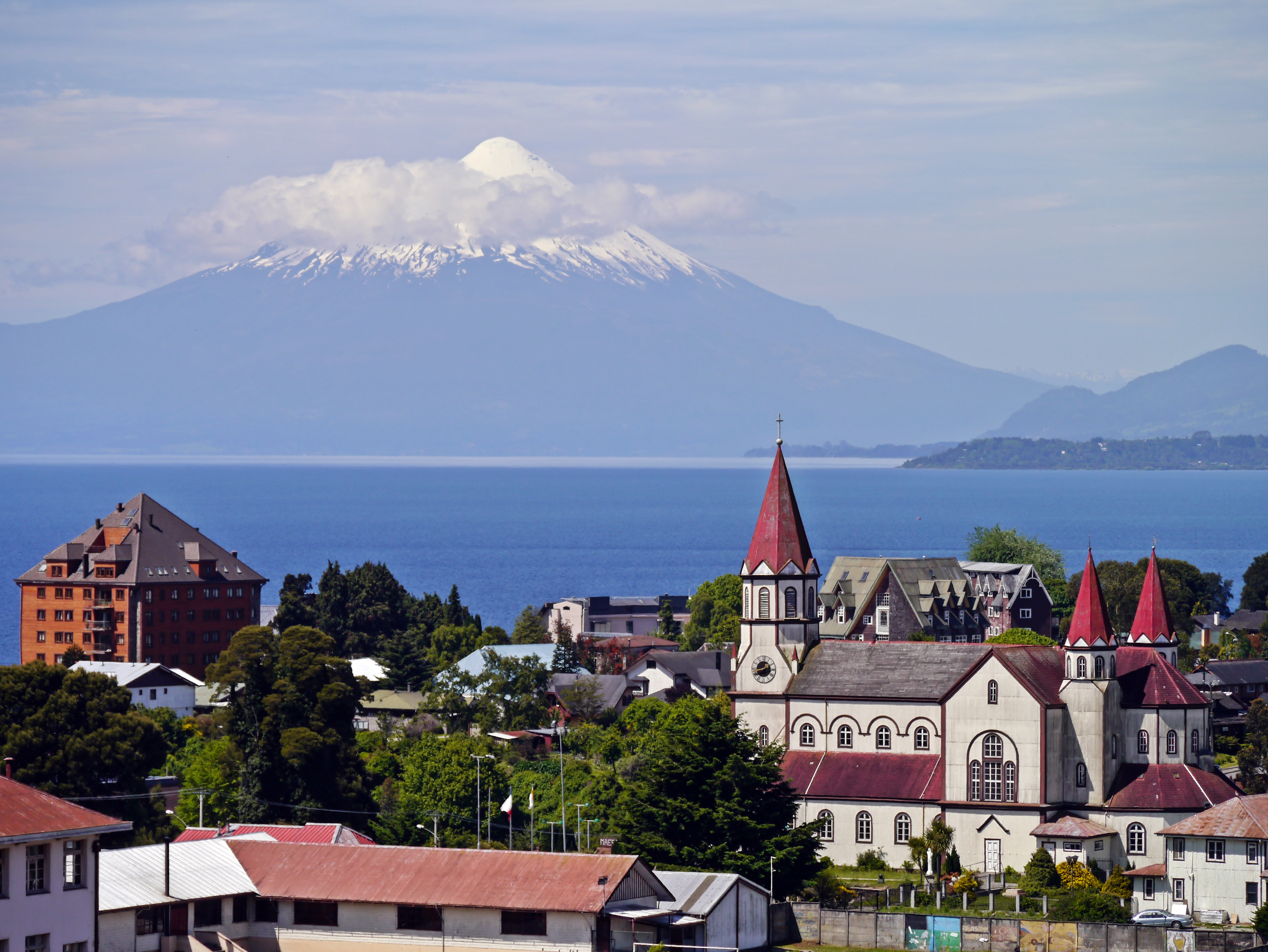
Puerto Varas
Lakes, Osorno volcano views — smaller, nature-first, rainy winters
Neighbourhood picks
Santiago
Providencia
Green, Metro-linked, dining — popular with expats; verify earthquake retrofit on older buildings.
Santiago
Ñuñoa
More residential, younger vibe — good value vs Las Condes; check Metro line proximity.
Valparaíso
Cerro Alegre
Tourist-friendly, views — stairs daily; tourists in summer — secure Wi-Fi before signing lease.
Banking & cash
Major banks: Banco de Chile, Santander, BCI, Scotiabank Chile. Fintechs like Tenpo and MACH power instant transfers. You'll need RUT + address for most products.
Cards are tap-friendly in cities. Cash still matters in ferías (markets). FX spreads at airports are poor — use regulated casas or bank wires.
US persons: FATCA reporting — Chilean banks ask extra questions. Wise may not offer CLP balance; plan USD/EUR offshore settlement.
Earthquake or protest days can jam ATMs — keep small cash buffer at home (securely).
Health & safety
Mixed public-private system — many expats use ISAPRE plans for faster specialist access; FONASA is the public option — lower cost, longer waits.
Santiago has Clinica Alemana, UC Christus — high standards. Wait times for mental health can be long — private route faster.
Air quality in Santiago winter (May–Aug) aggravates asthma — monitor AQI. Sun is strong year-round — SPF habit.
Emergency: 131 (SAMU) in many regions — confirm local numbers. Travel insurance for Torres del Paine treks — evac costs mount fast.
Culture & lifestyle
Tea time (once) is social glue — sweet cakes and conversation. Personal space smaller than US; greetings one kiss among friends.
Class awareness is real — avoid performative wealth in public transit. Politics polarised — tread lightly until trust exists.
Tipping ~10% sit-down restaurants if not included. Uber works in major cities; taxis meter — confirm route apps.
Recycling culture growing but inconsistent — carry tote bags. Water is safe in Santiago; carry filter bottles in rural south if unsure.
The real talk
The advantages
Regional stability and infrastructure
Strong internet and coworking in capital
Outdoor lifestyle — ski, surf, hike within hours
The challenges
Santiago winter air quality
Higher cost than Peru/Bolivia
Complex migration paperwork
Join the conversation
Connect with nomads and locals—search these hubs to get started.
Frequently asked questions
Tax snapshot
Chile taxes residents on worldwide income once domiciled or staying beyond thresholds — definitions are legal, not intuitive. Remote workers invoicing foreign clients may still analyse PE risk and treaty positions. RUT (tax ID) ties to banking — coordinate with a Chilean tax advisor before long stays overlapping calendar years.
Community tips
Spanish with Chilean modisms (cachai, weon used carefully) — listen before mimicking. Wine country weekends, skiing from Santiago, Atacama trips. Earthquakes are routine — learn protocol, secure shelves.
This destination is perfect for…
Ready to work remotely in Chile?
Browse roles you can do from anywhere.
Browse jobs arrow_forward