
Croatia
Last updated: April 2026


Overview
What remote workers notice first about Croatia.
Digital Nomad Residence Permit (well-known EU remote route)
Stunning Adriatic coastline
Solid summer tourism, quieter winters
Growing coworking scene
Visa Spotlight
Digital Nomad Visa / Temporary stay
Thinking about working in Croatia or moving there? Our expat guide covers visas, jobs, salaries, cost of living, and everything you need to know before you go.
- check
Income proof
Foreign remote income documentation
- check
Clean record
Police certificate where required
- check
Local address
Lease or accommodation agreement
- check
Insurance
Health coverage per application rules
Duration: Up to 1 year (not a permanent residence path alone)·Fees: ~€50–€150
Requirements: Remote income threshold, housing, health cover — check current EUR amounts
Your passport matters
Entry and stay rules depend on citizenship and purpose of visit. Always confirm the latest requirements for your nationality with official government sources before you travel.
Full visa details arrow_forwardApplication process
Croatia pioneered a dedicated digital nomad temporary stay route in 2021, attracting remote employees and freelancers who earn outside Croatia but want Adriatic life. The permit is a residence permission—not automatic permanent residency—and must be renewed within rules.
Eligibility
You generally need a passport with validity beyond your stay, proof of remote work for a foreign employer or your own foreign-registered business, minimum monthly income in the published range (often cited around €2,300–€2,500—confirm with MUP/police administration updates), health insurance covering Croatia, a rental contract or booked accommodation, and a clean criminal background where requested.
Application paths
Apply at Croatian consulates abroad or through police administration if converting from legal stay—processes differ; digital nomad Facebook groups share recent data points but always verify officially.
Processing
Decisions often arrive within weeks if files are complete; summer backlogs hit Split and Zadar offices hard.
Fees
State fees remain modest—budget translations and legalisations.
After approval
Register address, obtain OIB tax number, open bank account with patience, and enjoy Schengen travel benefits as an EU member state permit holder—carry residence cards when crossing borders.
Renewal
You may extend within policy limits; long-term settlement requires other grounds—speak with immigration lawyers if you plan indefinite stay.
Rejections
Incomplete income evidence, tourist-only bookings without contracts, or insurance gaps—fix before submission.
Cost of Living
Zagreb lifestyle index
Estimated monthly budget for a high-quality nomadic lifestyle including a modern apartment, co-working, and weekend trips—based on the guide's worked example where available.
Example month for a single remote worker in Split (winter baseline, non-luxury):
Rent (one-bed, ten minutes from Riva): $1,050 Utilities + internet: $130 Transport (local buses + occasional Uber): $55 Groceries: $280 Eating out twice weekly: $200 Coworking flex: $150 Health insurance: $70 Ferry weekend (amortised monthly): $90 Gym / climbing: $55 Miscellaneous: $100
Indicative total: about $2,180.
Zagreb might run 15% cheaper on rent; Dubrovnik summer premiums add 25–40%. Euro adoption simplified mental maths but did not erase seasonal tourism pricing swings.
Top Nomad Hubs
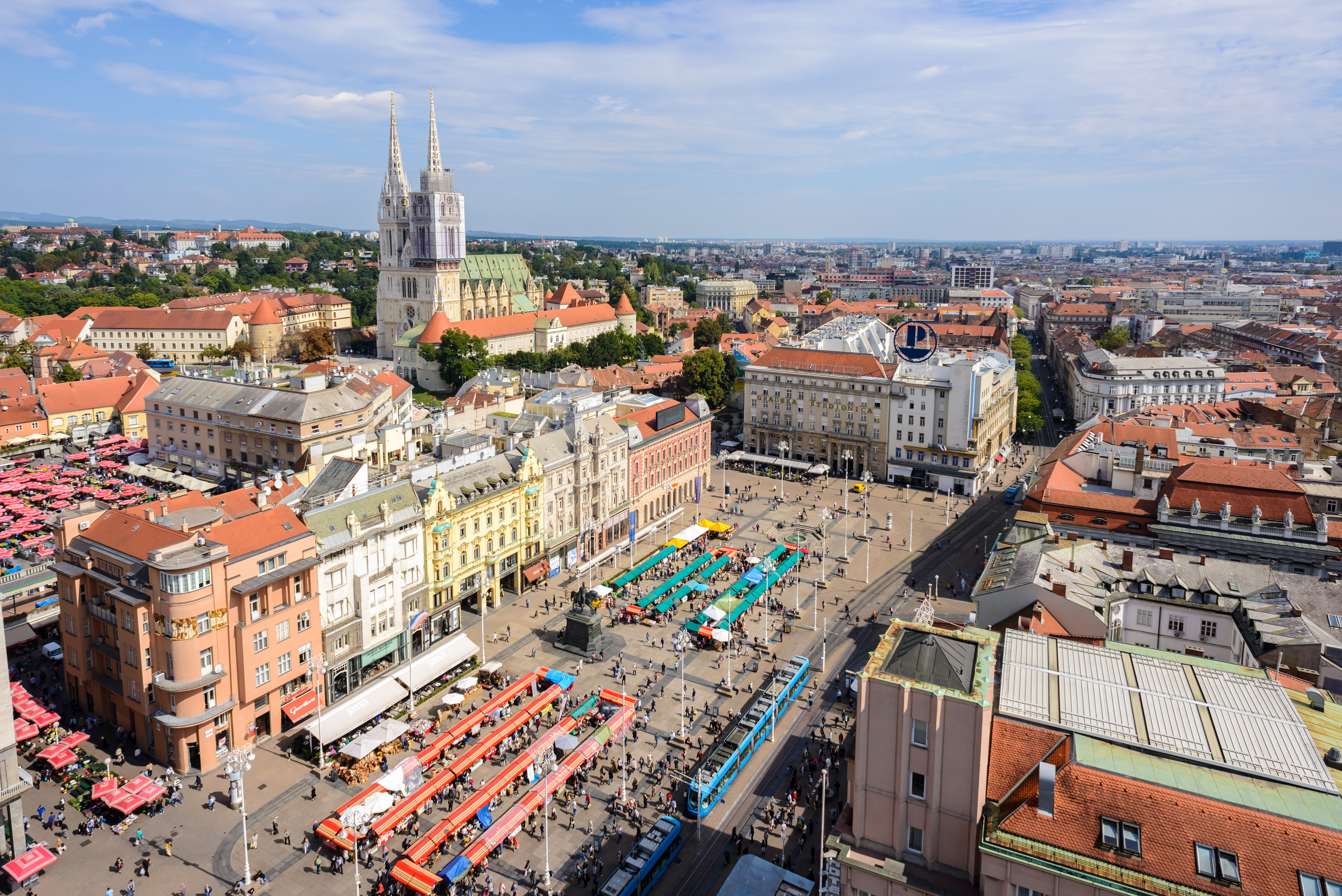
Zagreb
Continental cafés, museums, lower coast prices
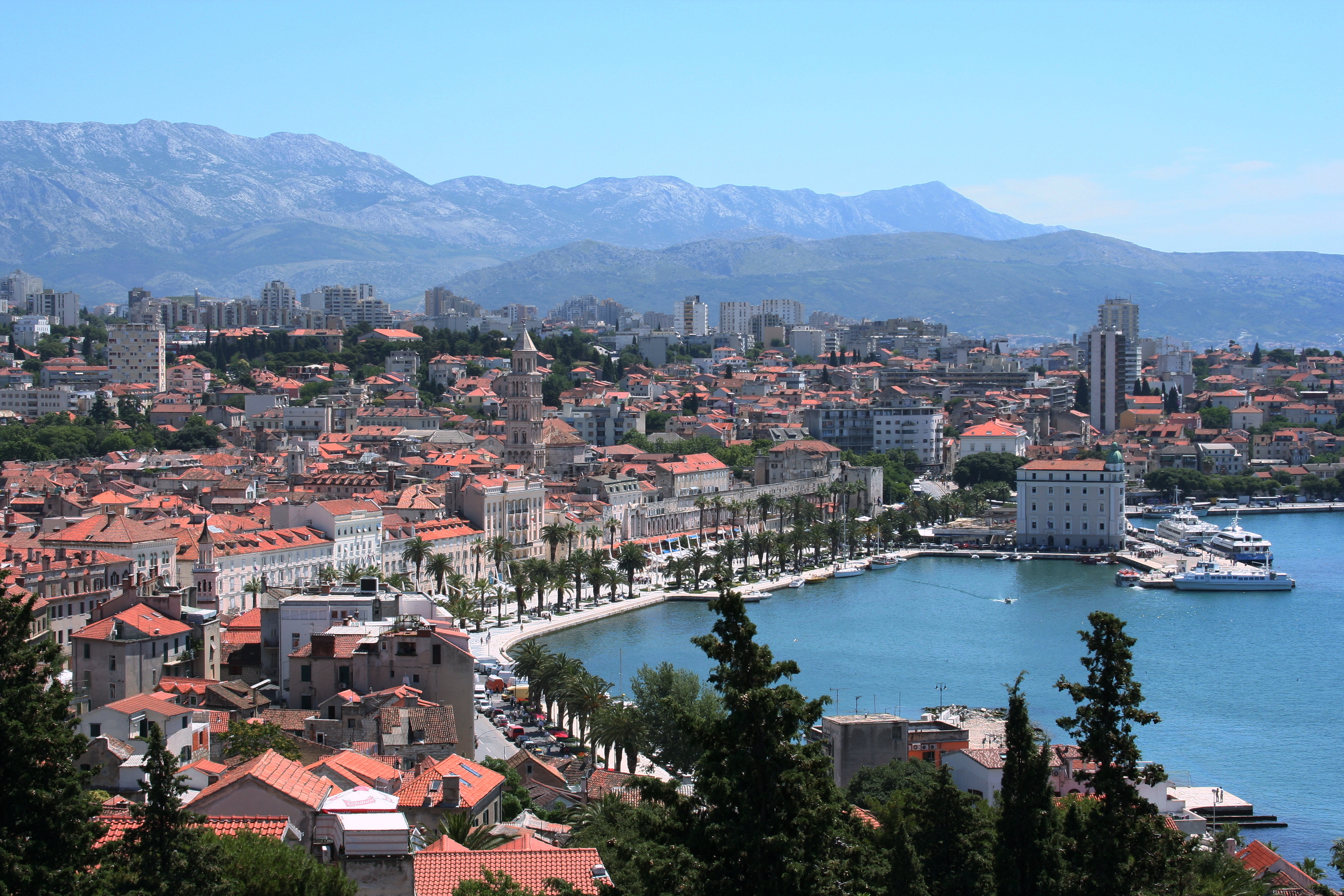
Split
Diocletian's Palace core, fastest-growing nomad hub
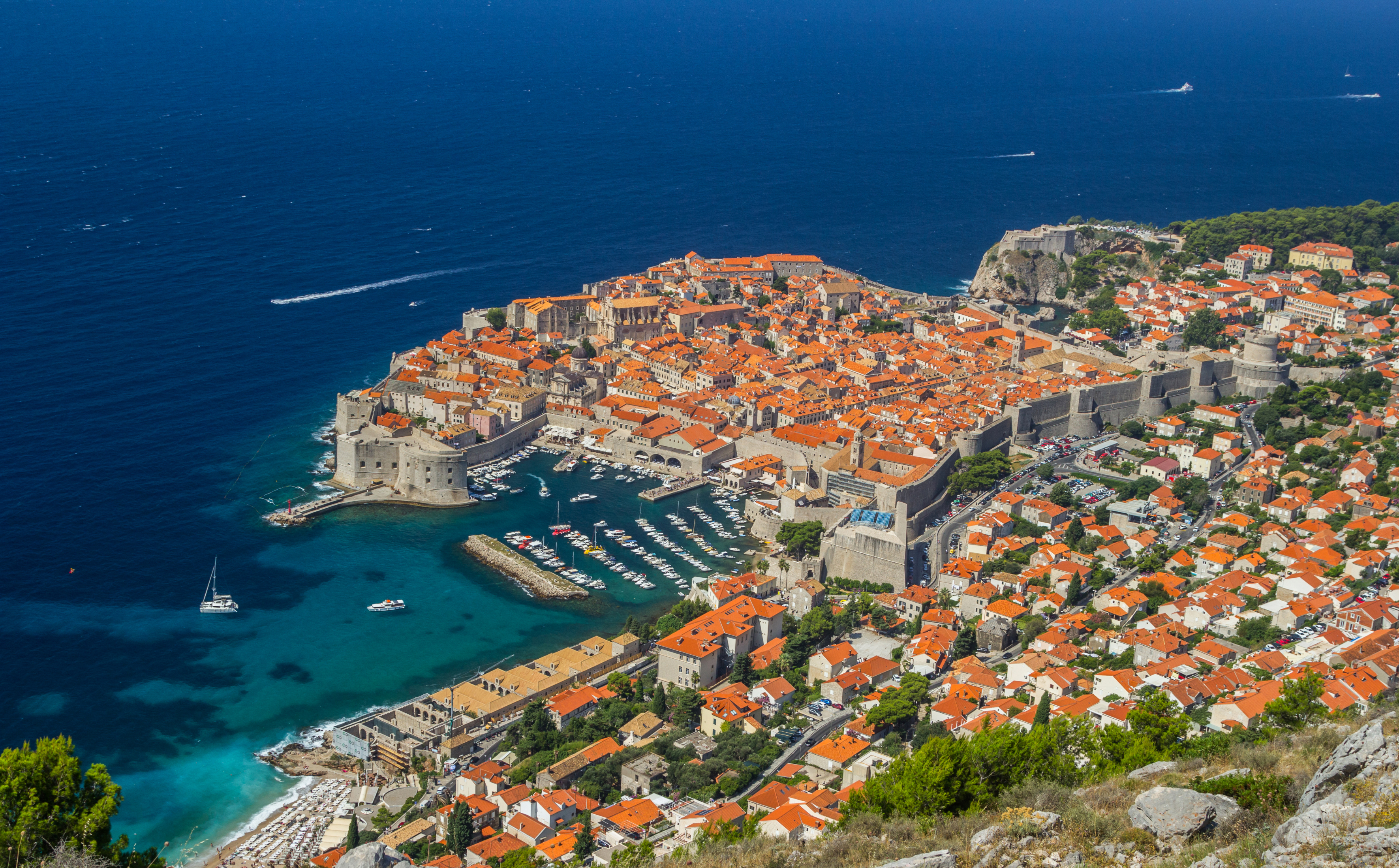
Dubrovnik
Stunning walled city, cruise crowds, premium rents
Neighbourhood picks
Split
Meje
Leafy, between centre and Marjan hill, calmer than palace core, sea glimpses. One-beds €900–€1,400 depending on season.
Zagreb
Gornji Grad (Upper Town)
Historic, cobbled, museum density—charming but hilly; quieter evenings. Rents €650–€1,000 for compact flats.
Banking & cash
Zagrebačka banka, PBZ, Erste, and Raiffeisen serve expats with IBAN accounts once you hold OIB and address proof. Digital banks like Revolut operate for daily spend; Wise moves GBP/USD client income cheaply into EUR.
Cash still appears in konobas and island ferries—keep euros on hand July–August when ATM lines grow.
ATM surcharges: use bank-branded machines; Euronet kiosks near nightlife strips sting.
Paying utilities via internet banking works after setup—bring a Croatian phone number for OTP SMS.
Tax: nomad scheme aims to avoid Croatian tax on qualifying foreign salary, but local invoicing triggers different rules—do not blur lines without advice.
Real estate purchases use escrow—never informal cash without lawyers.
Health & safety
Croatia's healthcare system (HZZO) mixes mandatory public insurance with private clinics in Split and Zagreb. Digital nomads typically hold comprehensive travel/expat policies meeting police requirements—Allianz, Cigna, and Uniqua appear in nomad threads; confirm coverage amounts.
Emergency response is strong on coast highways; islands may rely on ferry-dependent transfers—serious divers invest in evacuation coverage.
Dental tourism is popular—quality high, prices below western EU.
Pharmacies stock EU brands; some US prescriptions need local doctor equivalents—bring documentation.
Heatstroke and jellyfish matter in summer—learn beach flag systems.
EU EHIC works for tourists; residents transition to HZZO after employment or other qualifying routes.
Culture & lifestyle
Croatians value direct communication tempered with hospitality—coffee stretches long, politics is sensitive (war memory lingers), sports unite fiercely. Work starts reasonably early; coast summers slow for August holidays when locals escape heat.
Split blends Roman ruins with laptop-friendly cafés—noise echoes off stone; noise-cancelling headphones help. Dubrovnik feels like a stage set—respect quiet zones; cruise days overwhelm.
Zagreb continental culture differs from Dalmatia—faster pace, café intellectualism, excellent Christmas markets.
Language: younger urbanites speak English; older neighbours appreciate Croatian greetings. Bureaucracy expects paper—scan, duplicate, smile.
Seasonality: July–August crowds raise rents and stress infrastructure; shoulder seasons deliver bargains and calmer ferries.
Tipping 10% in restaurants when happy; bar tabs often round up.
Nomads integrate via sailing courses, klapa concerts, and volunteer trail cleanups—nature is national religion.
The real talk
The advantages
Purpose-built digital nomad permit since 2021
Schengen + Euro since 2023—travel and pricing clarity
Adriatic coastline and island hopping world-class
The challenges
Summer tourist crowds and noise
Island internet still variable in storms
Limited local salary market if you switch jobs
Join the conversation
Connect with nomads and locals—search these hubs to get started.
Frequently asked questions
Tax snapshot
Croatia's digital nomad permit exempts local income tax on foreign remote earnings for approved stays—verify annual renewal rules and social insurance obligations. Consulting local tax advisers prevents accidental permanent establishment issues if you service Croatian clients.
Community tips
Nomad List Croatia threads, yacht week shoulder chatter, learn basic Croatian phrases for landlords and konoba menus.
This destination is perfect for…
Ready to work remotely in Croatia?
Browse roles you can do from anywhere.
Browse jobs arrow_forward