
Hungary
Last updated: April 2026


Overview
What remote workers notice first about Hungary.
White Card for non-EU remote workers
Budapest: spas, ruin bars, Danube lifestyle
Strong internet and affordable living
Central Europe weekend trips
Visa Spotlight
White Card (Hungary digital nomad)
Thinking about working in Hungary or moving there? Our expat guide covers visas, jobs, salaries, cost of living, and everything you need to know before you go.
- check
Income proof
Foreign remote income documentation
- check
Clean record
Police certificate where required
- check
Local address
Lease or accommodation agreement
- check
Insurance
Health coverage per application rules
Duration: 1 year renewable·Fees: €110+
Requirements: Remote income for non-Hungarian employer, accommodation, insurance
Your passport matters
Entry and stay rules depend on citizenship and purpose of visit. Always confirm the latest requirements for your nationality with official government sources before you travel.
Full visa details arrow_forwardApplication process
Hungary's White Card (Fehér kártya) allows third-country nationals working remotely for non-Hungarian employers to reside for up to two years in aggregate under current rules—confirm income thresholds, insurance, and accommodation with the National Directorate-General for Aliens Policing (NDGAP) and consulates.
Apply with remote employment contracts, bank statements, criminal record, address proof, and comprehensive health insurance.
EU citizens register under free movement after three months if conditions met.
After entry, obtain address card, tax number, and tap into TA social security if employed locally—remote workers should clarify tax residency with adviser before assuming exemption.
Employee routes for local Hungarian companies follow separate work permit flows.
Renewals require continued compliance—political and regulatory changes happen—verify with lawyer annually.
Schengen travel with valid residence—carry documents.
Cost of Living
Budapest lifestyle index
Estimated monthly budget for a high-quality nomadic lifestyle including a modern apartment, co-working, and weekend trips—based on the guide's worked example where available.
Example month in Budapest (District 7 / 8, non-luxury):
Rent (one-bed): $750 Utilities + internet: $115 BKK pass: $28 Groceries: $230 Eating out / ruin bars: $200 Coworking: $100 Health insurance / private visits: $55 Phone + software: $35 Baths + leisure: $80 Miscellaneous: $90
Indicative total: about $1,683.
Debrecen and Szeged cut 30–50% rent; HUF/USD swings.
Top Nomad Hubs

Budapest
Two sides of the river, grand architecture
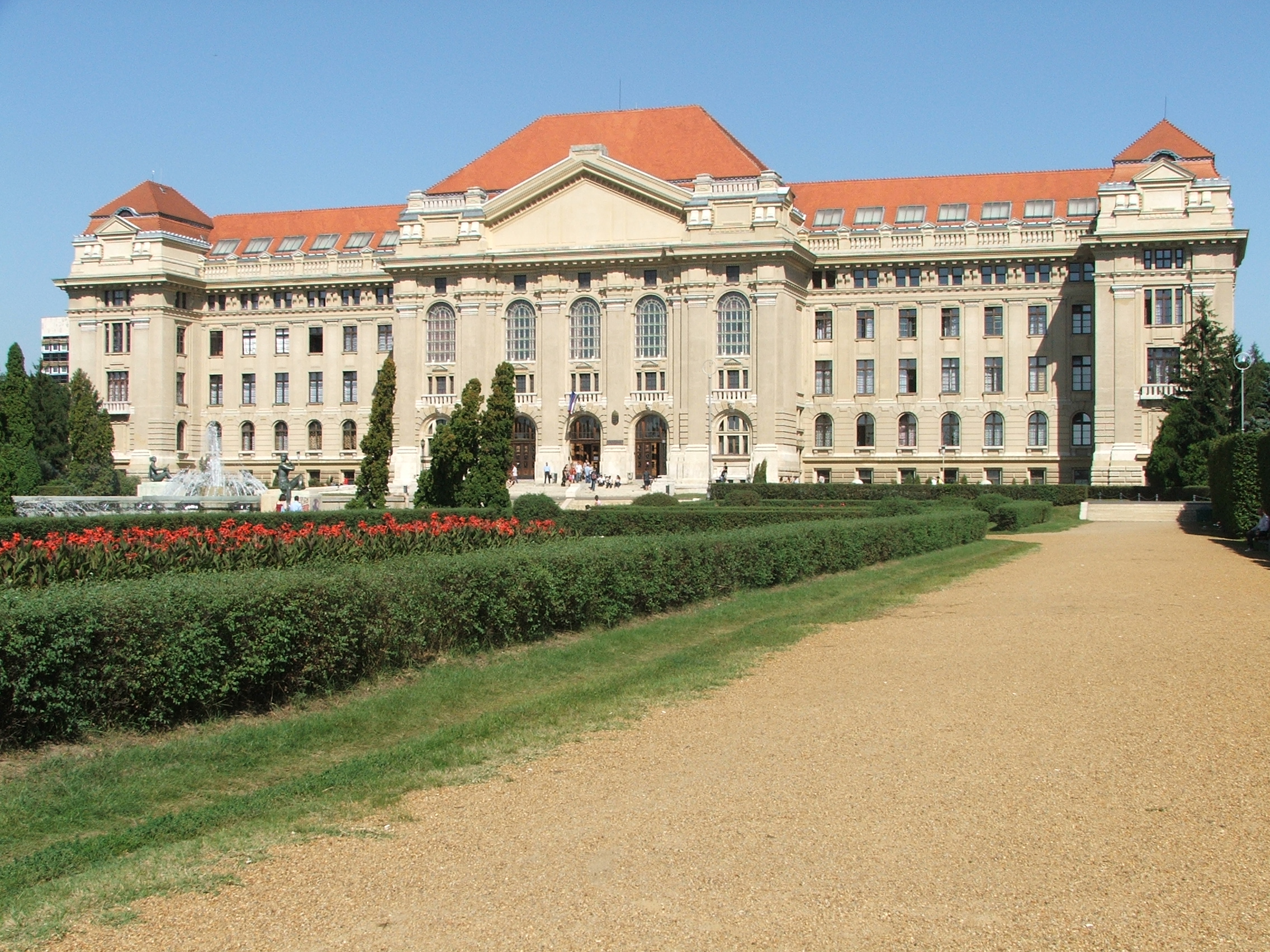

Szeged
University town, sunny south
Neighbourhood picks
Budapest
District 7 (Erzsébetváros)
Ruin bars, youthful, noisy—$650–$1,100.
Budapest
District 11 (Újbuda)
Family, green, Gellért area—$700–$1,200.
Debrecen
City centre
Calm, affordable—$400–$700.
Banking & cash
OTP Bank, K&H, Raiffeisen, and Revolut Hungary operate widely. HUF accounts essential for local bills—FX volatility significant.
Wise for receiving EUR/USD—declare if resident.
Cash still in markets; cards in Budapest.
Landlords may want cash or deposit quirks—use contracts and witnesses.
KATA and self-employment rules changed—accountant mandatory for small business.
Health & safety
TA-funded care for employees once registered—quality mixed; private care (FirstMed, Róbert Károly) for English speed.
Emergency: 112. Thermal baths not medical—hydrate.
Dental: affordable for private work vs US.
Pharmacies helpful—bring EU prescriptions.
Air quality winter—central heating districts vary.
Culture & lifestyle
Thermal baths are social—learn pool etiquette. Ruin bars are loud magic—Pest side nightlife legendary.
Hungarian is unique—learn köszönöm (thanks) and basic phrases; English works in services.
Politics sensitive—listen respectfully. Food hearty—try goulash beyond tourist traps.
Tipping 10–12% when service not included—check bill.
Danube divides Buda hills from Pest flat—choose commute wisely.
The real talk
The advantages
White Card remote pathway
Very affordable vs western EU
Beautiful architecture and baths
The challenges
Hungarian language barrier
Regulatory changes—verify tax yearly
Political climate debated internationally
Join the conversation
Connect with nomads and locals—search these hubs to get started.
Frequently asked questions
Tax snapshot
Tax residency triggers worldwide reporting; KATA small-business regime has changed — verify current rules with a Hungarian adviser.
Community tips
Meetup Budapest, thermal bath coworking afternoons, learn basics of Hungarian for landlords.
This destination is perfect for…
Ready to work remotely in Hungary?
Browse roles you can do from anywhere.
Browse jobs arrow_forward