
Netherlands
Last updated: April 2026


Overview
What remote workers notice first about Netherlands.
Excellent English in business
World-class cycling and public transport
Highly skilled migrant scheme for qualifying salaries
DAFT treaty route for US entrepreneurs
Visa Spotlight
Highly Skilled Migrant (employer-sponsored)
Thinking about working in the Netherlands or moving there? Our expat guide covers visas, jobs, salaries, cost of living, and everything you need to know before you go.
- check
Income proof
Foreign remote income documentation
- check
Clean record
Police certificate where required
- check
Local address
Lease or accommodation agreement
- check
Insurance
Health coverage per application rules
Duration: Up to 5 years·Fees: Employer-led
Requirements: Recognised sponsor employer, salary above threshold
Your passport matters
Entry and stay rules depend on citizenship and purpose of visit. Always confirm the latest requirements for your nationality with official government sources before you travel.
Full visa details arrow_forwardApplication process
The Netherlands does not offer a one-size-fits-all “digital nomad visa” comparable to Croatia or Spain. Most remote workers either enter as highly skilled employees sponsored by Dutch entities, start a Dutch business under DAFT (US citizens) or standard self-employment rules (EU/EEA), or use intra-corporate transfers. Understanding which box you fit avoids rejected IND filings.
Highly Skilled Migrant (kennismigrant)
If you sign a Dutch employment contract with a recognised sponsor above the gross salary threshold (higher for under-30s in some years), the IND issues a combined permit. Remote foreign employers rarely qualify unless they establish Dutch payroll—consult an employer of record.
DAFT for US entrepreneurs
The Dutch-American Friendship Treaty lets US nationals run an innovative Dutch company with meaningful capital (traditionally at least €4,500 in business bank balance) and a solid business plan. You register with KvK, open accounts, obtain insurance, and prove economic benefit to the Netherlands. Renewals require showing activity—not passive shelf companies.
Self-employed (ZZP) for EU citizens
EU/EEA freelancers can relocate under free movement but must register locally, get health insurance, and pay income tax/BTW. Non-EU freelancers face tougher “essential to Dutch economy” tests unless married to EU partners or other exceptions apply.
Processing
IND standard decision windows are often quoted around 90 days for many permits; expedited options exist for certain sponsors. Fees update annually—budget legal support for DAFT to avoid undercapitalised plans.
After arrival
Register at gemeente, get BSN, open bank, choose Dutch health insurance within four months, swap driving licence if eligible, and join a fiets lease if commuting.
Common rejections
Undercooked business plans for DAFT, sponsor salary below threshold, or missing antecedents certificates—double-check apostilles.
Cost of Living
Amsterdam lifestyle index
Estimated monthly budget for a high-quality nomadic lifestyle including a modern apartment, co-working, and weekend trips—based on the guide's worked example where available.
Example month for a single highly skilled employee in Amsterdam (excludes 30% ruling scenarios):
Rent (one-bed, non-centre but Ring-friendly): $2,050 Utilities + internet: $175 Health insurance + eigen risico reserve: $165 Transport (OV-chip unlimited-ish + occasional NS): $115 Groceries (Albert Heijn, markets): $380 Eating out twice weekly: $260 Gym / climbing: $55 Coworking hot-desk: $220 Phone + software: $45 Miscellaneous (clothing, weekend trip): $200
Indicative total: about $3,665.
Rotterdam or Utrecht might shave 15–25% off rent. The Hague offers diplomatic expat density with beach proximity—mid pricing. Student cities (Groningen, Eindhoven) cheaper but fewer international roles.
Top Nomad Hubs
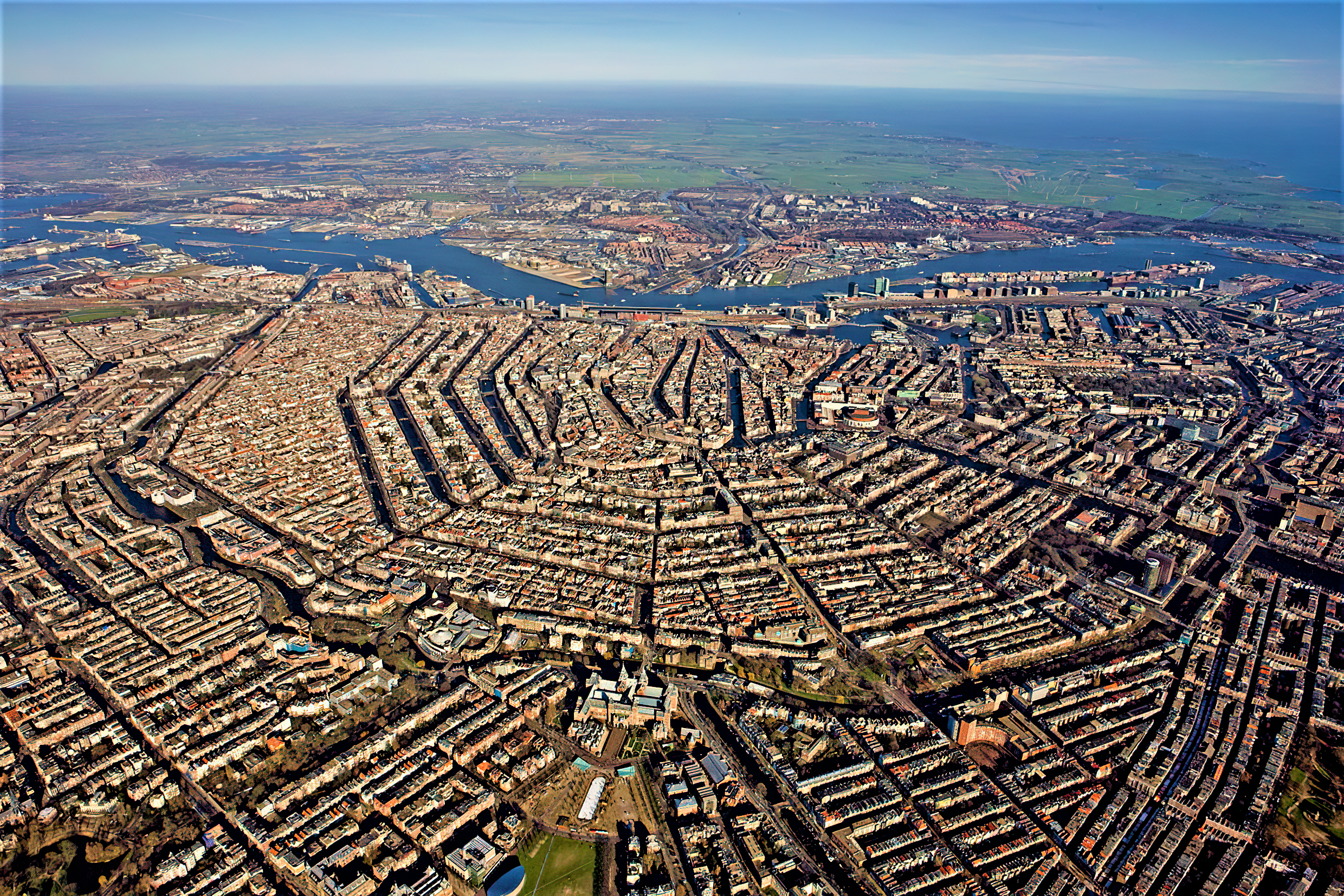
Amsterdam
Canals, international, brutally tight housing
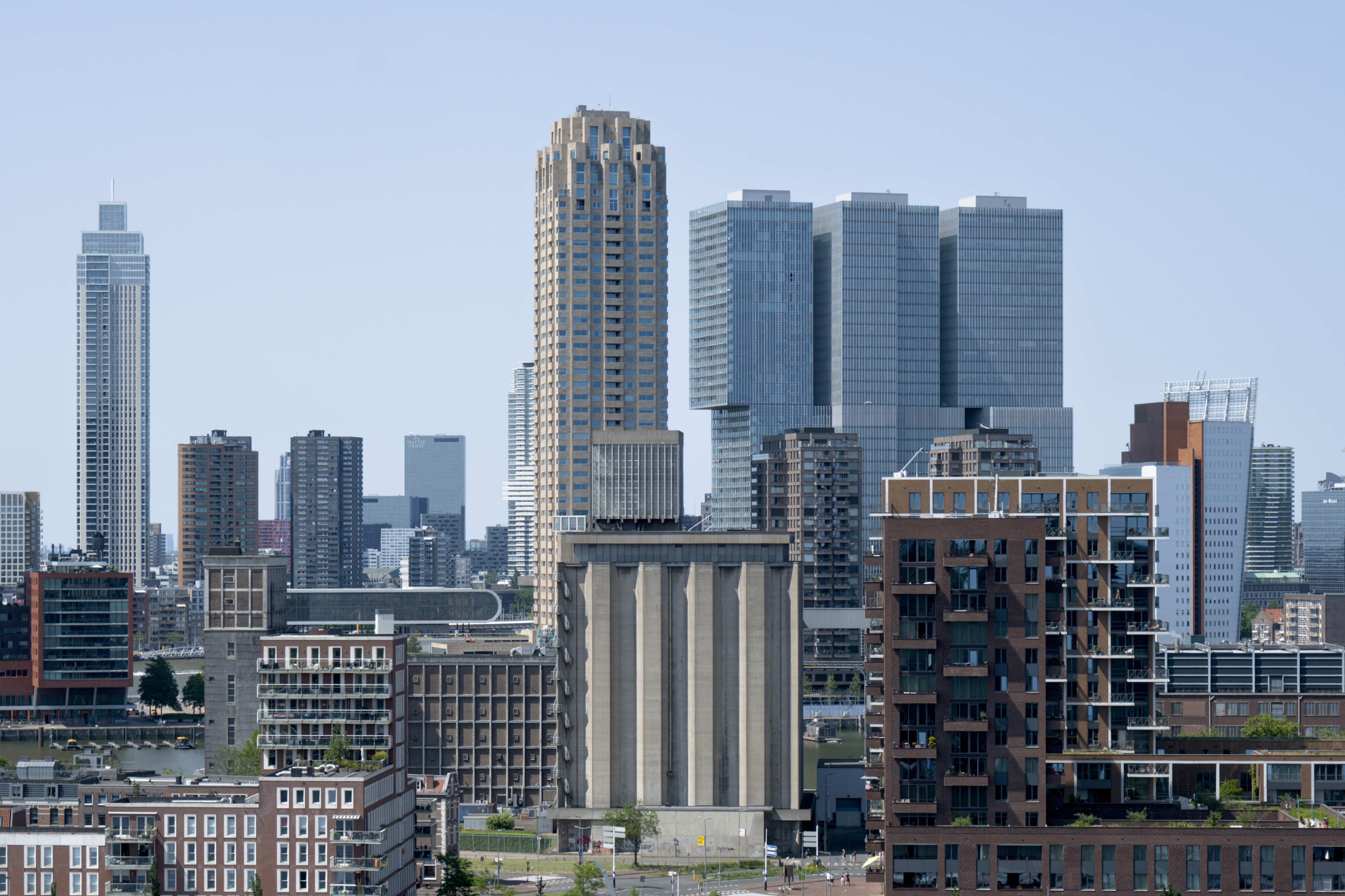
Rotterdam
Modern architecture, port logistics, more space per euro
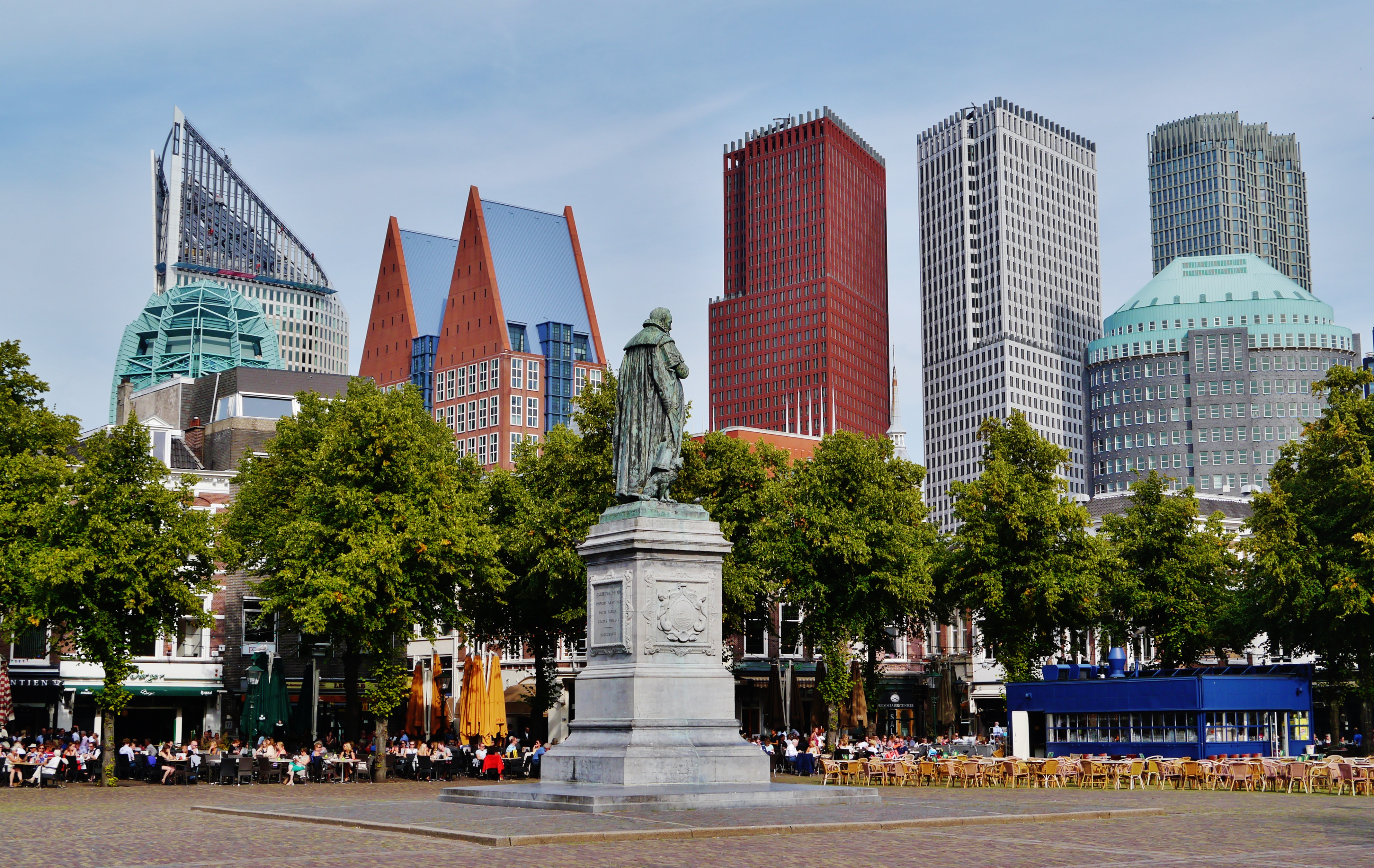
The Hague
Government, NGOs, beach at Scheveningen, expat families
Neighbourhood picks
Amsterdam
Jordaan
Canals, indie shops, tourist pressure but iconic—quiet side streets vs noisy main drags. One-beds often €1,800–€2,600.
Amsterdam
De Pijp
Foodie heaven, Albert Cuyp market, younger crowd, decent tram links. Rents competitive with Jordaan—€1,700–€2,400.
Rotterdam
Kralingen
Leafy, near Erasmus University, lake Kralingse Plas runs, family-friendly. One-beds €1,200–€1,800.
Banking & cash
Dutch banking is modern—ING, ABN AMRO, Rabobank, bunq, and Revolut Business compete. IBAN discrimination is illegal within EU payments; nonetheless landlords prefer Dutch IBANs for rent. Non-residents may need BSN + address proof to open accounts; some neo-banks onboard faster.
iDEAL dominates online checkouts—link it to your Dutch account. Contactless tap rules; cash is rare in Amsterdam supermarkets.
Wise remains excellent for USD/GBP client income landing in euros, but DDU tax reporting stays your job. Business owners must separate BTW, income tax, and private draws—accountants (boekhouder) are common.
Mortgages require stable Dutch income history—remote workers on foreign payrolls face scrutiny. Credit cards are less ubiquitous than US—debit rules daily life.
Watch for US FATCA extra forms at banks if you are American—choose institutions experienced with US persons.
Health & safety
The Netherlands mandates basic health insurance for residents—every adult picks a policy from competing providers (Zilveren Kruis, CZ, VGZ, etc.) with mandatory deductible (eigen risico) traditionally €385 unless you pay higher premiums to reduce it. Children under 18 ride on parents' policies without extra basic premiums.
GPs (huisarts) gate referrals—register early; English-speaking practices exist in Amsterdam, Rotterdam, The Hague. Specialists require referrals except emergencies.
Mental health waits can stretch—international clinics offer private pay options. Dental basic insurance is limited; add a tandarts package.
Emergency: 112 for life threat; for GP after hours call huisartsenpost. Pharmacies (apotheek) coordinate prescriptions.
Pregnancy care ranks among the world's best—midwife-led unless risk factors intervene.
Supplement with travel insurance only for short visits—residents must maintain Dutch basic cover.
Culture & lifestyle
Dutch directness (bespreekbaarheid) surprises newcomers—feedback is blunt but aims at efficiency. Meetings start on time; agendas are real. Consensus (polderen) slows decisions but builds buy-in—expect multi-stakeholder alignment.
Work-life boundaries are strong—9–5 is respected; overtime is not a badge. Cycling is identity: invest in rain gear, lights, and lock etiquette—never park in pedestrian zones.
English proficiency is among the world's highest for non-native countries—yet Dutch integration courses loom for long-stayers. Learn pleasantries; locals appreciate tries.
Weather is grey November–March—plan hygge lamps, skating on canals when safe, and weekend trips to Texel or Maastricht.
Housing queues reward stable income and polite applications—write short Dutch intro letters even if imperfect. Social life clusters around borrels (Friday drinks), King’s Day orange madness, and club sports (hockey, rowing).
Tipping is modest—round up in taxis; service often included.
The real talk
The advantages
Near-universal English in professional life
Best-in-class cycling and public transport
Strong rule-of-law and social safety nets
The challenges
Amsterdam housing shortage and extreme rents
Grey wet winters
Competitive rental market—landlord references tough for newcomers
Join the conversation
Connect with nomads and locals—search these hubs to get started.
Frequently asked questions
Tax snapshot
30% ruling offers partial tax relief for qualifying inbound hires but eligibility tightened—minimum salary floors and distance-from-border tests matter. Box 3 wealth tax rules are in flux—consult a Dutch adviser. DAFT entrepreneurs file BTW and income tax like other ZZP structures.
Community tips
Meetup.com tech events, expat centres, LinkedIn housing alerts, and Facebook groups—start searching months before arrival; scams exist.
This destination is perfect for…
Ready to work remotely in Netherlands?
Browse roles you can do from anywhere.
Browse jobs arrow_forward