
Portugal
Last updated: April 2026


Overview
What remote workers notice first about Portugal.
Digital Nomad Visa (temporary stay for remote workers)
D7 visa popular with retirees and passive-income holders
Mild climate, Atlantic coast, strong expat scene
NHR-style tax incentives have changed — get tailored advice
Visa Spotlight
Digital Nomad Visa (D8)
Thinking about working in Portugal or moving there? Our expat guide covers visas, jobs, salaries, cost of living, and everything you need to know before you go.
- check
Income proof
Foreign remote income documentation
- check
Clean record
Police certificate where required
- check
Local address
Lease or accommodation agreement
- check
Insurance
Health coverage per application rules
Duration: Typically 1 year, renewable·Fees: Varies by consulate (~€90+)
Requirements: Remote income from outside Portugal above set thresholds, accommodation, insurance — confirm latest figures with AIMA/consulate.
Your passport matters
Entry and stay rules depend on citizenship and purpose of visit. Always confirm the latest requirements for your nationality with official government sources before you travel.
Full visa details arrow_forwardApplication process
Portugal's remote-worker pathway is commonly pursued through the D8 (Digital Nomad) visa or the D7 (passive income / own means) route depending on how your income is structured. Since AIMA (Agência para a Integração Migrantes) absorbed SEF functions, appointments and documentation checks have shifted online in stages—always verify the latest checklist on the consulate site that covers your jurisdiction.
Eligibility snapshot for D8-style nomads
You generally need to show that you perform remote work or freelance activity for entities outside Portugal, meet a minimum monthly income threshold (often cited around four times the Portuguese minimum wage—confirm the current IAS reference and multiplier), hold valid travel insurance or Portuguese-compliant private medical cover, provide proof of accommodation (lease or reservation strategy varies by consulate), and submit a clean criminal record from your home country and any country where you resided long-term.
Document bundle (expect variations)
Prepare passport copies, passport photos, employment contract or client agreements, recent payslips or invoices, bank statements covering several months, Portuguese tax number (NIF) acquisition strategy (often via fiscal representative or lawyer if you cannot visit Finanças immediately), proof of accommodation, criminal record certificates with apostille/legalisation, and a cover letter explaining your remote setup. Freelancers should show recurring clients, not one-off gigs.
Where to apply
Start at the Portuguese consulate for your country of legal residence. Some applicants already in Portugal on Schengen may explore switching status—rules are narrow; legal counsel helps. After the consulate grants a visa to enter, you complete SEF/AIMA residence permit steps in Portugal including biometrics.
Processing times and fees
Consulates differ; three to four months is a realistic planning horizon when demand spikes. Fees include visa stamping costs plus residence permit issuance charges. Budget translations and certified copies.
After approval
Obtain your residence card, register your address with local authorities, open a Portuguese bank account (often easier with your lease and NIF), and align with social security if your activity triggers contributions.
Renewal
Show continued income, tax compliance, and valid insurance. Begin collecting evidence early—Portuguese bureaucracy rewards the organised.
Rejections and pitfalls
Insufficient proof of stable remote income, vague employer letters, insurance that does not meet minimum coverage, or missing apostilles are common. Airbnb receipts alone may fail—secure a rental contract or notarised invitation when required.
Cost of Living
Lisbon lifestyle index
Estimated monthly budget for a high-quality nomadic lifestyle including a modern apartment, co-working, and weekend trips—based on the guide's worked example where available.
Example month for a single remote worker in Lisbon (central but not prime-prime):
Rent (one-bed, shared building utilities): $1,450 Utilities (electricity, water, fibre): $110 Transport (monthly Metro pass + occasional Bolt): $55 Groceries: $320 Eating out twice weekly + coffee meetings: $280 Coworking flex membership: $160 Gym / climbing: $70 Private health insurance: $65 Software + streaming: $55 Miscellaneous (pharmacy, gifts, weekend train to Sintra): $140
Indicative total: about $2,705.
The same lifestyle in Porto might run 15–20% lower on rent; the Algarve swings seasonal—summer short lets explode, winter can bargain. Compare with 2019 baselines: Lisbon rents have climbed sharply—budget extra contingency for deposit and agent fees (often one month + VAT).
Top Nomad Hubs
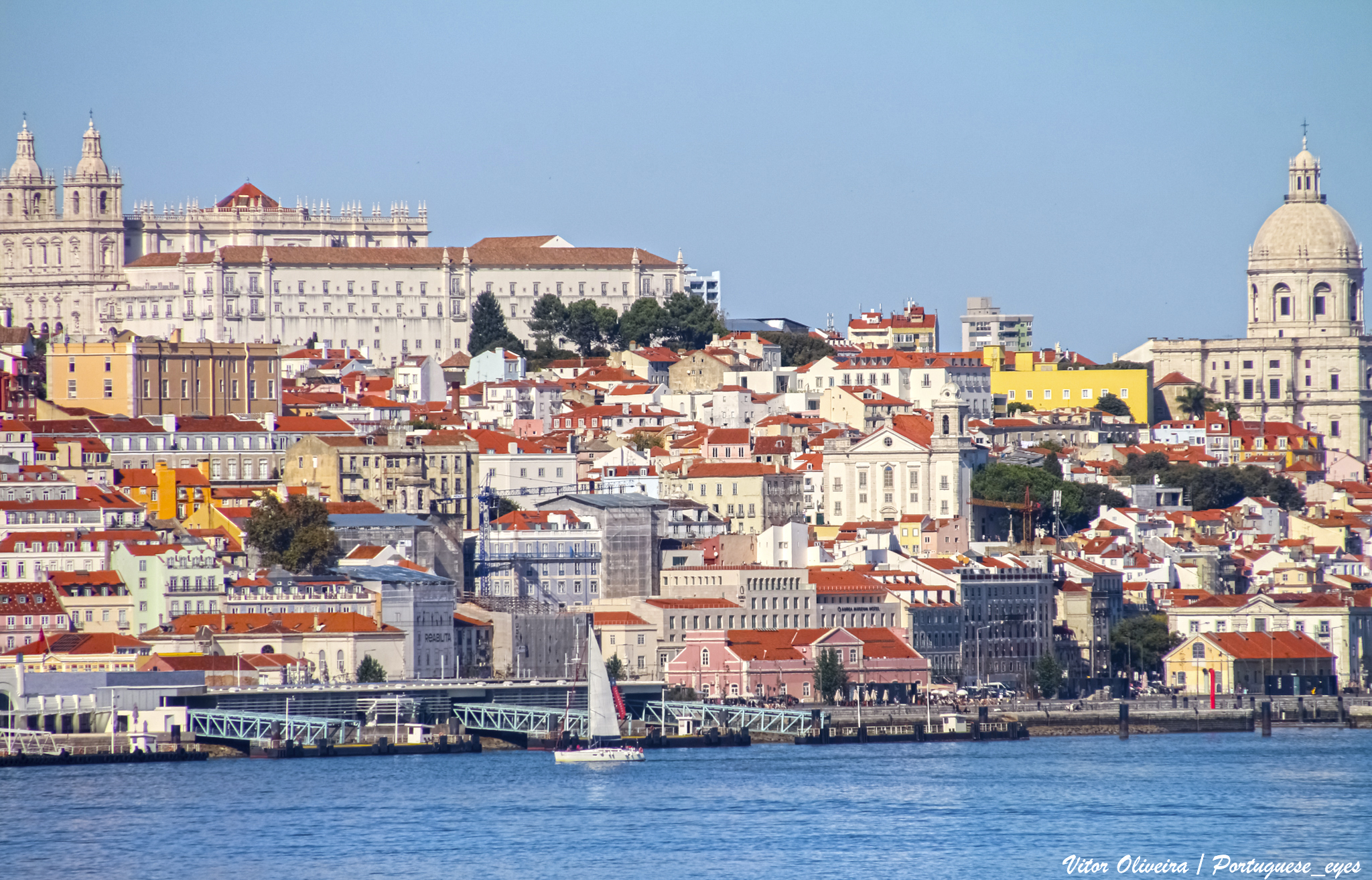
Lisbon
Hills, trams, startup energy — prices rose fast but community is huge
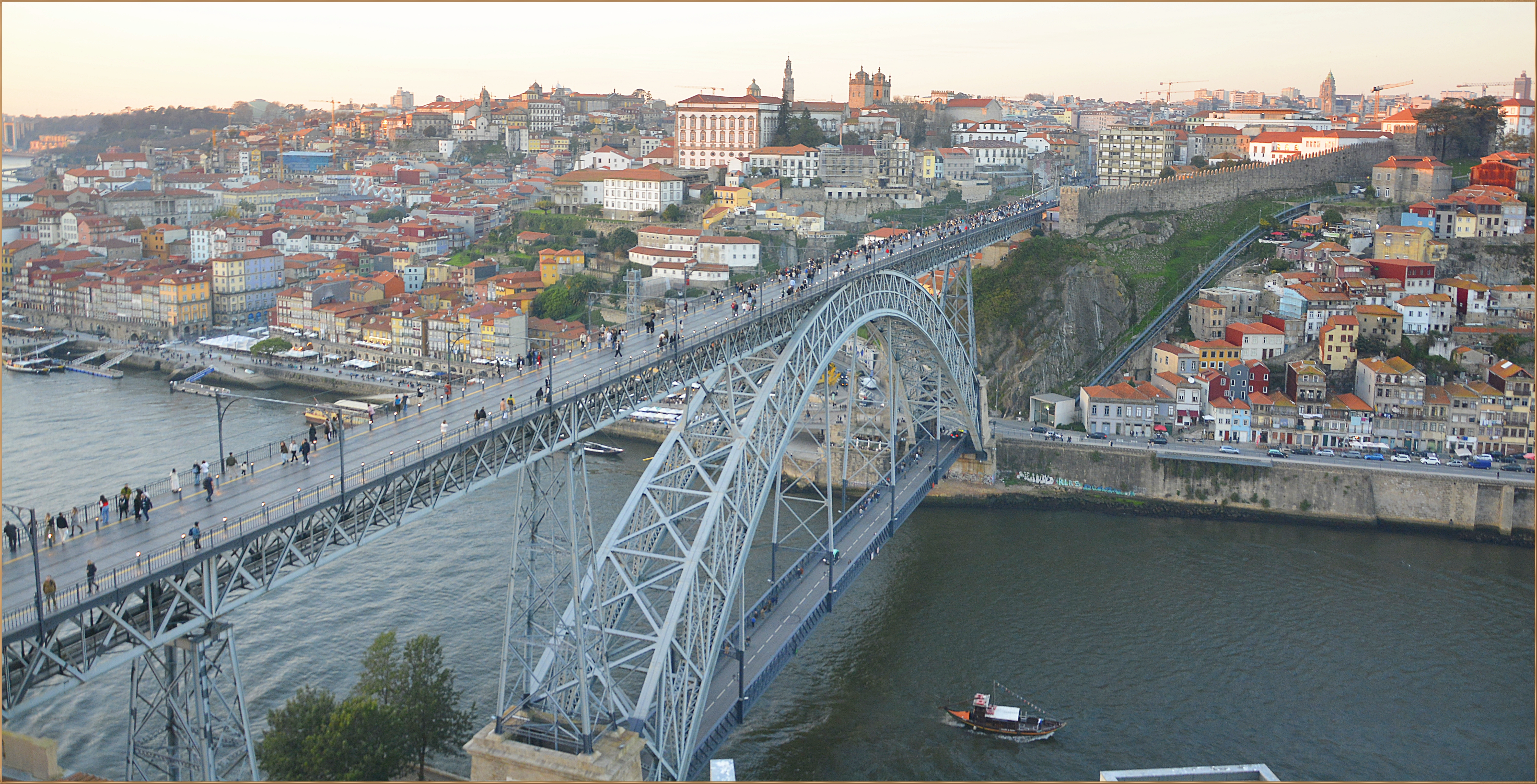
Porto
Compact, creative, wine country access — better value than Lisbon

Faro / Algarve
Coastal, slower pace, seasonal crowds — winter bargains
Neighbourhood picks
Lisbon
Mouraria
Historic, multicultural, more approachable rents than Baixa—great food, steep streets, creative crowd. Verify building condition; expect €900–€1,300 for compact one-beds.
Lisbon
Príncipe Real
Leafy, boutique shops, strong café culture, LGBTQ+ friendly. Premium but walkable; one-beds often €1,300–€1,900.
Porto
Bonfim
East of the centre, faster gentrification, art spaces, better value than Ribeira noise. Typical one-beds €750–€1,100.
Banking & cash
Portuguese banks—Millennium bcp, Santander Totta, Novo Banco—open current accounts for residents with a NIF, ID, proof of address, and sometimes a Portuguese phone number. Non-resident accounts exist but may carry higher fees. Expect in-branch appointments in Lisbon and Porto; smaller towns can be faster.
Fintech stacks remain popular: Revolut and Wise provide euro receiving details and cheap FX when clients pay in USD or GBP. Many nomads keep Wise as the settlement layer and transfer EUR to local accounts for rent, utilities, and IRS payments. N26 served Portugal historically—check current availability for new Portuguese IBANs.
Multibanco, the national ATM and bill-payment network, is ubiquitous—learn to pay reference numbers at ATMs for utilities and taxes. Contactless cards work everywhere in cities.
ATM withdrawals from foreign cards may incur DCC (dynamic currency conversion) prompts—decline and choose euros. Portuguese banks may charge non-customer ATM fees; your neo-bank might rebate them.
Tax residency alongside a Portuguese bank account does not automatically make income taxable in Portugal, but the combination of a lease, NIF, and 183+ days often does—coordinate with an accountant before you optimise FX through foreign accounts.
Health & safety
Portugal's SNS (Serviço Nacional de Saúde) delivers solid care once you are registered as a resident contributing to social security or eligible through reciprocal agreements. Until then, private insurance satisfies visa requirements and speeds access to specialists.
Major insurers include Médis, Multicare, and AdvanceCare; monthly premiums depend on age and copay choices—budget roughly €40–€120 for mid-tier plans. Digital nomad visa applicants should confirm that policy wording matches AIMA expectations on coverage amounts and repatriation.
Lisbon and Porto host modern private hospitals (Luz, CUF, Hospital da Luz network). The Algarve swells in summer—book GP appointments early in tourist towns.
Emergency number is 112. Pharmacies are knowledgeable and can triage minor issues. Dental care is mostly private—add a rider or pay out of pocket.
After residence formalities, register at a local health centre (centro de saúde) with your SNS number. Wait times for non-urgent specialist referrals can be long—many residents blend SNS with private top-ups.
Culture & lifestyle
Portuguese social life runs softer and later than Germany but earlier than Spain—dinner near 8pm is common, especially outside Lisbon's expat bubbles. English works in tech and services in Lisbon, Porto, and the Algarve, but landlords and finanças may speak only Portuguese—learn polite phrases.
Hierarchy in workplaces is present but informal friendliness dominates—expect long coffees. Punctuality matters for official appointments; cafés forgive five to ten minutes.
The housing market is emotionally charged—locals face the same rent spikes you do. Showing respect, learning some Portuguese, and avoiding loud short-term-rental stereotypes in condo buildings goes far.
Regional identity differs: northerners (Porto) joke with southerners (Lisbon) constantly—join the banter lightly. Fado nights reward quiet listening, not loud phone calls.
Community is built through surf clubs, run groups along the Tejo, wine tastings in the Douro, and volunteer beach cleanups. Portuguese bureaucracy loves paper—scan everything, carry duplicates, and celebrate each stamped form with a pastel de nata.
The real talk
The advantages
EU Schengen access with valid residence
Mild Atlantic climate—winters rarely harsh
Deep expat and startup community in Lisbon
The challenges
Housing shortage and rising rents in Lisbon
Slow bureaucracy at AIMA/consulates in peak seasons
NHR tax benefits narrowed for new arrivals—verify rules
Join the conversation
Connect with nomads and locals—search these hubs to get started.
Frequently asked questions
Tax snapshot
Portugal reformed the NHR (Non-Habitual Resident) regime: new entrants face different rules than legacy NHR holders. Remote workers must model whether Portuguese-sourced income, foreign-sourced income, and social security obligations apply with a local accountant.
Community tips
Facebook groups for Lisbon/Porto expats, Web Summit alumni meetups, surf and digital nomad weekends in the Algarve, and thriving English-language tech Slack communities.
This destination is perfect for…
Ready to work remotely in Portugal?
Browse roles you can do from anywhere.
Browse jobs arrow_forward