
Switzerland
Last updated: April 2026


Overview
What remote workers notice first about Switzerland.
Highest salaries in Europe for many roles
Cantonal tax competition — choose wisely
Alpine lifestyle and precision infrastructure
Central for EU business travel (non-EU permits harder)
Visa Spotlight
L / B residence permits (employed)
Thinking about working in Switzerland or moving there? Our expat guide covers visas, jobs, salaries, cost of living, and everything you need to know before you go.
- check
Income proof
Foreign remote income documentation
- check
Clean record
Police certificate where required
- check
Local address
Lease or accommodation agreement
- check
Insurance
Health coverage per application rules
Duration: Linked to contract / quota·Fees: Cantonal fees
Requirements: Swiss or EU employer — non-EU subject to quotas
Your passport matters
Entry and stay rules depend on citizenship and purpose of visit. Always confirm the latest requirements for your nationality with official government sources before you travel.
Full visa details arrow_forwardApplication process
Switzerland does not offer a generic digital nomad visa. Non-EU/EFTA nationals usually need a job offer from a Swiss employer who can secure quota approval (annual federal limits) and cantonal authorisation. Permits: L short-term, B residence, C settlement after long stay—eligibility depends on nationality, salary, and role.
EU/EFTA citizens access simplified hiring but still register with commune and employer declarations.
After approval, register at Gemeinde, obtain health insurance within three months (mandatory), open bank account, and get residence permit card.
Lump-sum taxation exists in select cantons for wealthy individuals—requires significant assets and professional structuring only.
Cross-border workers from France/Germany/Italy follow special regimes—payroll often withholds at source.
Renewals tied to employment; losing job can trigger permit countdown—plan with HR.
Non-EU remote workers without Swiss employer generally cannot settle long-term without a qualifying business or family route—verify with SEM and cantonal migration offices.
Cost of Living
Bern lifestyle index
Estimated monthly budget for a high-quality nomadic lifestyle including a modern apartment, co-working, and weekend trips—based on the guide's worked example where available.
Example month in Zurich (single, modest lifestyle, CHF shown as USD equiv.):
Rent (small one-bed): $2,400 Health insurance (with franchise): $380 Transport (GA or half-fare + zones): $85 Groceries (Migros/Coop): $520 Eating out twice: $320 Coworking: $380 Phone + software: $55 Gym / outdoor pass: $95 Miscellaneous: $200
Indicative total: about $4,435.
Geneva similar; Zug and Schwyz cantons lower tax but housing competitive; rural cantons cut rent but need car.
Top Nomad Hubs
Zurich
Finance, lake, expensive

Geneva
UN city, French influence
Neighbourhood picks
Zurich
Kreis 4 / Aussersihl
Trendy, bars, less stiff than Seefeld—$2,000–$3,000 for one-bed.
Geneva
Eaux-Vives
Lake walks, UN-adjacent, premium—$2,200–$3,500.
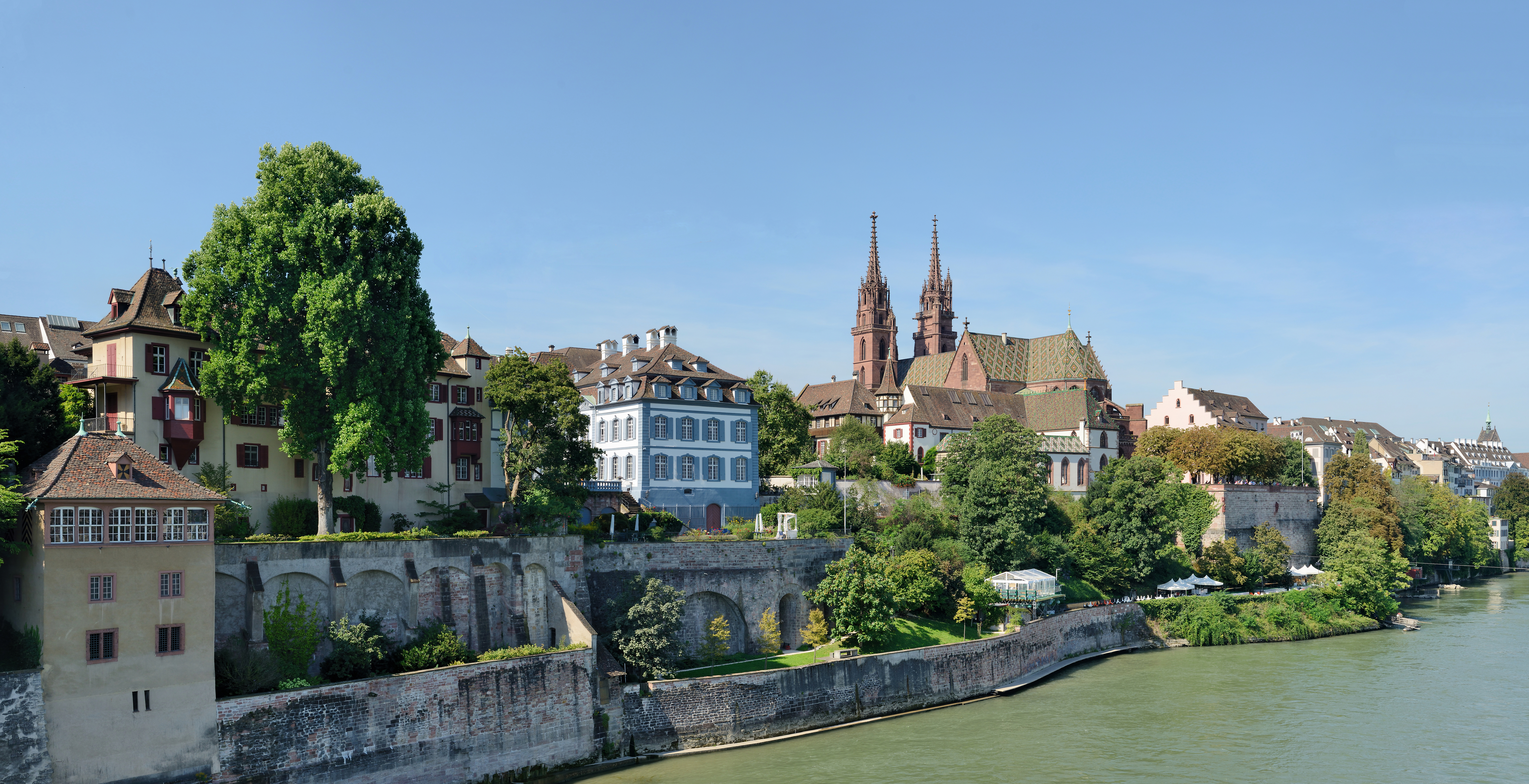
Basel
Grossbasel Altstadt
Rhine proximity, pharma crowd—$1,800–$2,600.
Banking & cash
UBS, Credit Suisse (now UBS), PostFinance, Raiffeisen, and cantonal banks dominate. Accounts need residence permit, ID, and proof of address—non-residents face strict onboarding.
CHF is strong—budget FX when receiving USD/EUR. Wise and Revolut help but large Swiss landlords expect local references.
Twint is ubiquitous for P2P; cash still used in mountain kiosks.
Wealth reporting is serious—coordinate with a Treuhänder. US persons face FATCA friction—choose banks experienced with US clients.
Mortgages require stable Swiss income—remote foreign employers rarely qualify without local contract.
Health & safety
Mandatory basic health insurance (Krankenversicherung) must be chosen within three months of residence—companies include Helsana, Swica, CSS, and others—franchise (Franchise) choices affect premiums (typically CHF 300–2,500 deductible bands).
Quality is world-leading; waiting times low for insured care. Emergency: 144 or 112.
GP gatekeeping varies by insurer model—Telmed vs standard.
Dental and vision often supplemental—budget for kids orthodontics.
Pharmacies professional; generics cheaper than US equivalents.
Supplemental insurance unlocks private hospitals—compare on comparis.ch.
Culture & lifestyle
Punctuality is sacred—miss a train by seconds and it is gone. Quiet hours Sunday—no loud laundry. Recycling rules are strict—learn Gemeinde guides.
German Swiss (Schweizerdeutsch) sounds tough—High German works in formal settings; French in Romandie; Italian in Ticino.
Networking is formal—dress well for finance interviews. Apéro culture builds trust—accept cheese and wine politely.
Outdoor life is mandatory—ski, hike, swim—join SAC alpine club. Direct feedback is respectful—consensus-driven but efficient.
Tipping: round francs in restaurants; service often included.
The real talk
The advantages
Top salaries and infrastructure quality
Stunning nature and outdoor access
Safe, clean, efficient cities
The challenges
Very high cost of living
Non-EU permits quota-limited
Complex tax residency rules
Join the conversation
Connect with nomads and locals—search these hubs to get started.
Frequently asked questions
Tax snapshot
Taxes vary dramatically by canton and Gemeinde; withholding for cross-border workers — mandatory Swiss tax advice.
Community tips
Learn local language of your canton, join Alpine clubs, use comparis.ch for insurance.
This destination is perfect for…
Ready to work remotely in Switzerland?
Browse roles you can do from anywhere.
Browse jobs arrow_forward