
Uruguay
Last updated: April 2026


Overview
What remote workers notice first about Uruguay.
Regional stability and strong institutions — high trust society
Montevideo: walkable rambla, café culture, manageable city scale
Punta del Este: summer beach finance crowd — rents spike Dec–Feb
Colonia del Sacramento: UNESCO historic town — slower, tourist day-trips from BA
Visa Spotlight
Tourist entry
Uruguay for remote workers: Montevideo, Punta del Este, Colonia, residency-friendly policies, stability, and beach-season planning in 2026.
- check
Income proof
Foreign remote income documentation
- check
Clean record
Police certificate where required
- check
Local address
Lease or accommodation agreement
- check
Insurance
Health coverage per application rules
Duration: 90 days typical for many passports; extensions possible — verify·Fees: Low
Requirements: Passport validity, onward ticket occasionally
Your passport matters
Entry and stay rules depend on citizenship and purpose of visit. Always confirm the latest requirements for your nationality with official government sources before you travel.
Full visa details arrow_forwardApplication process
Uruguay's Dirección Nacional de Migración processes residence — appointments online — upload PDFs, pay tasa, biometric capture scheduled.
Rentista-style residence asks for stable recurring income from abroad or investments — bank certifications apostilled — minimums in UI (unidades indexadas) — verify annually.
Criminal records from countries of prior residence need apostille and Spanish translation — medical exam in Uruguay sometimes — follow checklist PDF exactly — missing comma can delay months.
After approval, obtain cédula — SIM registration, bank onboarding, and property contracts become easier. RUT (tax ID) via DGI when tax obligations trigger — not automatic with every visa.
Border runs are less common than in looser regimes — officers remember faces — prefer compliant status if Uruguay is home base.
Punta rental contracts in peak season — read cancellation clauses — January prices can double short lets.
Cost of Living
Montevideo lifestyle index
Estimated monthly budget for a high-quality nomadic lifestyle including a modern apartment, co-working, and weekend trips—based on the guide's worked example where available.
Example month — Montevideo, Pocitos:
Rent one-bed: $900 Utilities + fibre: $95 Transport (bus + bike): $45 Groceries: $320 Eating out / parrilla nights: $300 Coworking: $140 Mutualista mid tier: $110 Gym / beach club: $80 Ferry weekend BA: $140 Misc: $90
Indicative total: ~$2,220. Colonia 15–25% lower; Punta del Este summer short-term can explode — winter bargains inverse.
Top Nomad Hubs
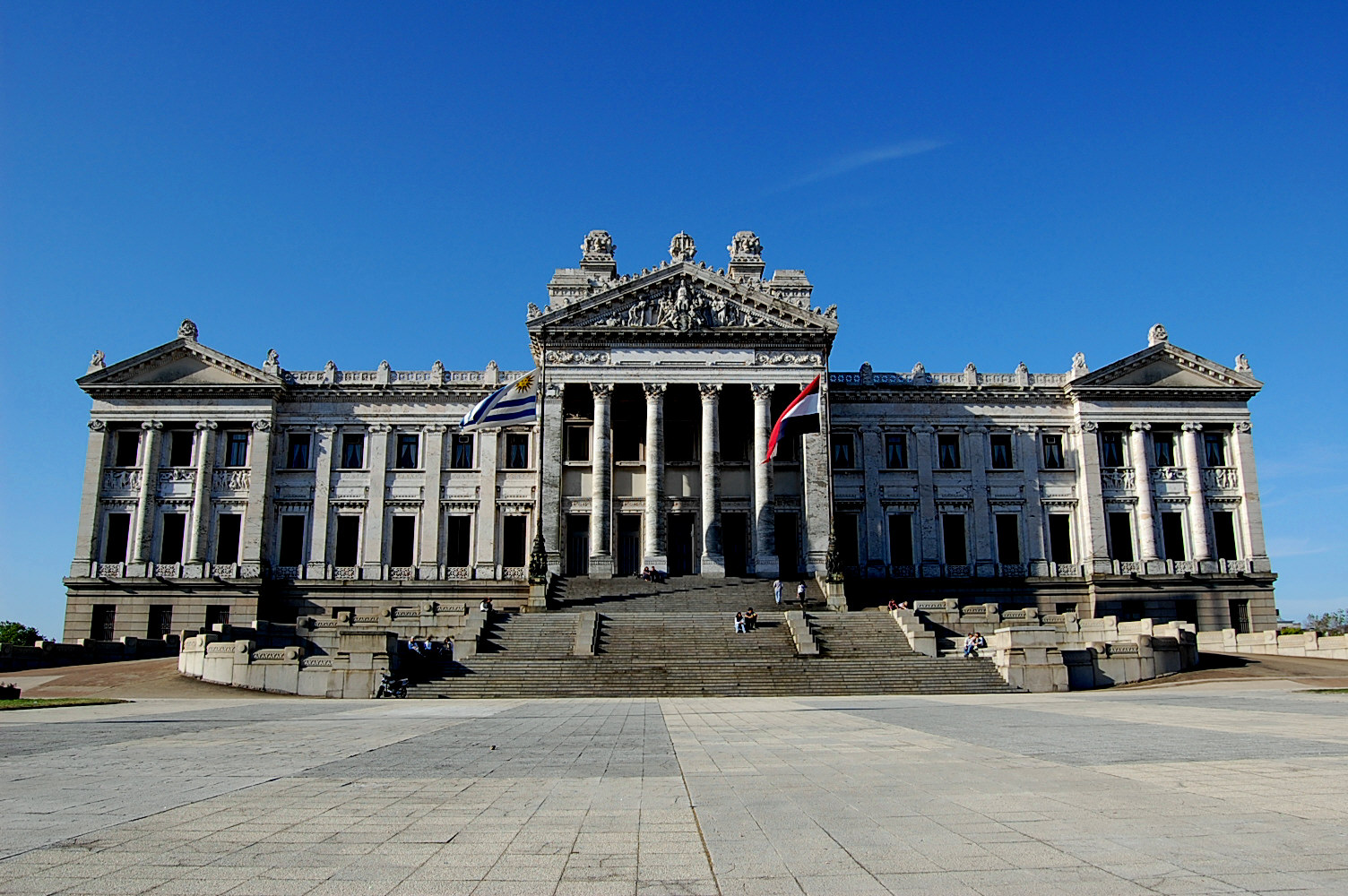
Montevideo
River-plate calm — Pocitos/Carrasco rambla runs, tango undertone, startup scene growing
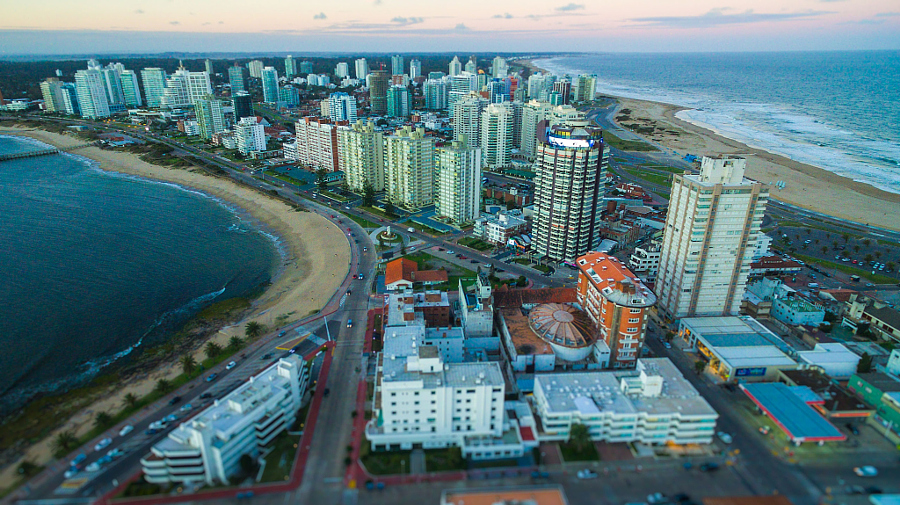
Punta del Este
Summer international — beaches, nightlife — winter quiet and cheaper
Colonia del Sacramento
Cobblestones, lighthouse sunsets — small-town, tourism-driven
Neighbourhood picks
Montevideo
Pocitos
Rambla walks, towers with river views — popular with expats; check building maintenance and elevator age.
Montevideo
Carrasco
Leafy, airport-close — upscale — quieter nights — higher rents — good for families.
Punta del Este
La Barra
Younger nightlife — summer crowds — winter ghost town — negotiate long winter leases.
Banking & cash
Major banks: BROU (state), Santander, Itaú, Scotiabank Uruguay. USD accounts exist for residents — FATCA compliance questions for US persons.
Dollar cash circulates in Punta and border zones — use banks for large exchanges — declare if required.
Mercado Pago and similar apps widespread — link after cédula. Cards tap everywhere in cities — carry cash for small beach kiosks.
Wise may not offer UYU receiving for all — check. ATM withdrawals in UYU — fees vary — BROU sometimes cheaper for local cards.
Stable currency vs Argentina neighbour — but inflation exists — budget in USD mentally if earning abroad.
Health & safety
Mutualista system (private cooperatives) — British Hospital, Mautone, CASMU tiers — monthly fee by age band. Public ASSE exists — waits for non-urgent.
Montevideo and Punta have strong clinics — dental care solid. No tropical diseases — dengue rare vs northern neighbours.
Emergency: 104 SAMU coastal — verify number updates. Mental health: psychologists common — Spanish; English in Punta summer season sometimes.
Beach safety: respect rip currents — lifeguard flags in Punta — learn local rules before swimming alone.
Culture & lifestyle
Pace is slower than Buenos Aires — patience for bureaucracy and social meals. Asado Sundays — meat-forward — vegetarians plan proactively.
Personal questions later than US — trust builds first. Dress neat — Uruguayans value understated style.
Carnival in Montevideo is huge — plan housing early. Tango exists but candombe drums rule February streets.
LGBTQ+ rights advanced regionally — Montevideo and Punta welcoming — still exercise usual urban awareness at night.
The real talk
The advantages
High social trust and safety vs regional average
Quality of life — beaches, wine, beef
Strong fibre in cities
The challenges
Higher cost than Argentina/Colombia for similar lifestyle tier
Tax residency rules need professional care
Small market — fewer niche services
Join the conversation
Connect with nomads and locals—search these hubs to get started.
Frequently asked questions
Tax snapshot
Uruguay taxes residents on worldwide income for those meeting legal residency tests — tax residency promotion programs have seen reforms — do not plan moves on old forum threads. Financial services and crypto reporting rules exist — consult a Uruguayan accountant before establishing 'tax residency' as a nomad. MERCOSUR ties affect some mobility.
Community tips
Small country — networks tight. Mate culture is social glue — accept the thermos circle etiquette. Summer in Punta is party + networking; winter Montevideo is mellow. Ferry to Buenos Aires for big-city fixes. Football Nacional vs Peñarol — choose carefully.
This destination is perfect for…
Ready to work remotely in Uruguay?
Browse roles you can do from anywhere.
Browse jobs arrow_forward