
Argentina
Last updated: April 2026


Overview
What remote workers notice first about Argentina.
90-day visa-free entry for many passports; extensions and residencia possible
Buenos Aires: huge nomad scene, cafes, tango, European-style neighbourhoods
Regional price variation — Patagonia and wine country vs capital
Strong café culture and late social hours; coworking and after-work meetups
Visa Spotlight
Tourist visa / visa-free entry
Visas, blue dollar context, cost of living, best cities for remote workers, and practical tips for living and working in Argentina.
- check
Income proof
Foreign remote income documentation
- check
Clean record
Police certificate where required
- check
Local address
Lease or accommodation agreement
- check
Insurance
Health coverage per application rules
Duration: Typically 90 days; renewals/extensions vary — confirm with migraciones·Fees: Often free for visa-free nationalities; reciprocity fee where applicable
Requirements: Valid passport, onward ticket sometimes requested, proof of funds — policies change; check your consulate and DNM.
Your passport matters
Entry and stay rules depend on citizenship and purpose of visit. Always confirm the latest requirements for your nationality with official government sources before you travel.
Full visa details arrow_forwardApplication process
Argentina's Dirección Nacional de Migraciones (DNM) publishes requirements for temporary residence categories that can suit remote earners, investors, or those with local ties. Tourist entry for eligible nationalities is often visa-free for 90 days; prórroga (extension) rules and fees should be verified on the official site — they change.
If you pursue residencia temporaria, you typically compile apostilled criminal records, birth/marriage certificates, proof of income or investment, health insurance, and pay migratory fees. Many applicants use a certified gestor or lawyer because paperwork and appointments vary by office.
Processing times swing with backlogs; plan months, not weeks. Keep passport validity well beyond your intended stay. Overstaying without regularising status creates fines and exit issues — avoid informal advice from chat groups; confirm with DNM.
After approval, obtain DNI, register address, and align with AFIP if you become tax-resident. Banking often requires residency documentation; until then many nomads use foreign cards and withdraw pesos at ATMs (compare fees).
Cost of Living
Buenos Aires lifestyle index
Estimated monthly budget for a high-quality nomadic lifestyle including a modern apartment, co-working, and weekend trips—based on the guide's worked example where available.
Example month for one remote worker in Buenos Aires (Palermo-ish, using USD card + peso spending):
Rent (room in shared vs one-bed varies): $700 Utilities + fibre: $60 Transport (SUBE + occasional taxi): $35 Groceries: $250 Eating out / social: $200 Coworking: $120 Gym: $45 Insurance / prepaga: $90 Software + VPN: $50 Misc: $120
Indicative total: ~$1,570 — swings heavily with rent tier and whether you settle rent in USD. Interior cities can run 25–35% lower excluding Patagonia peak season.
Top Nomad Hubs
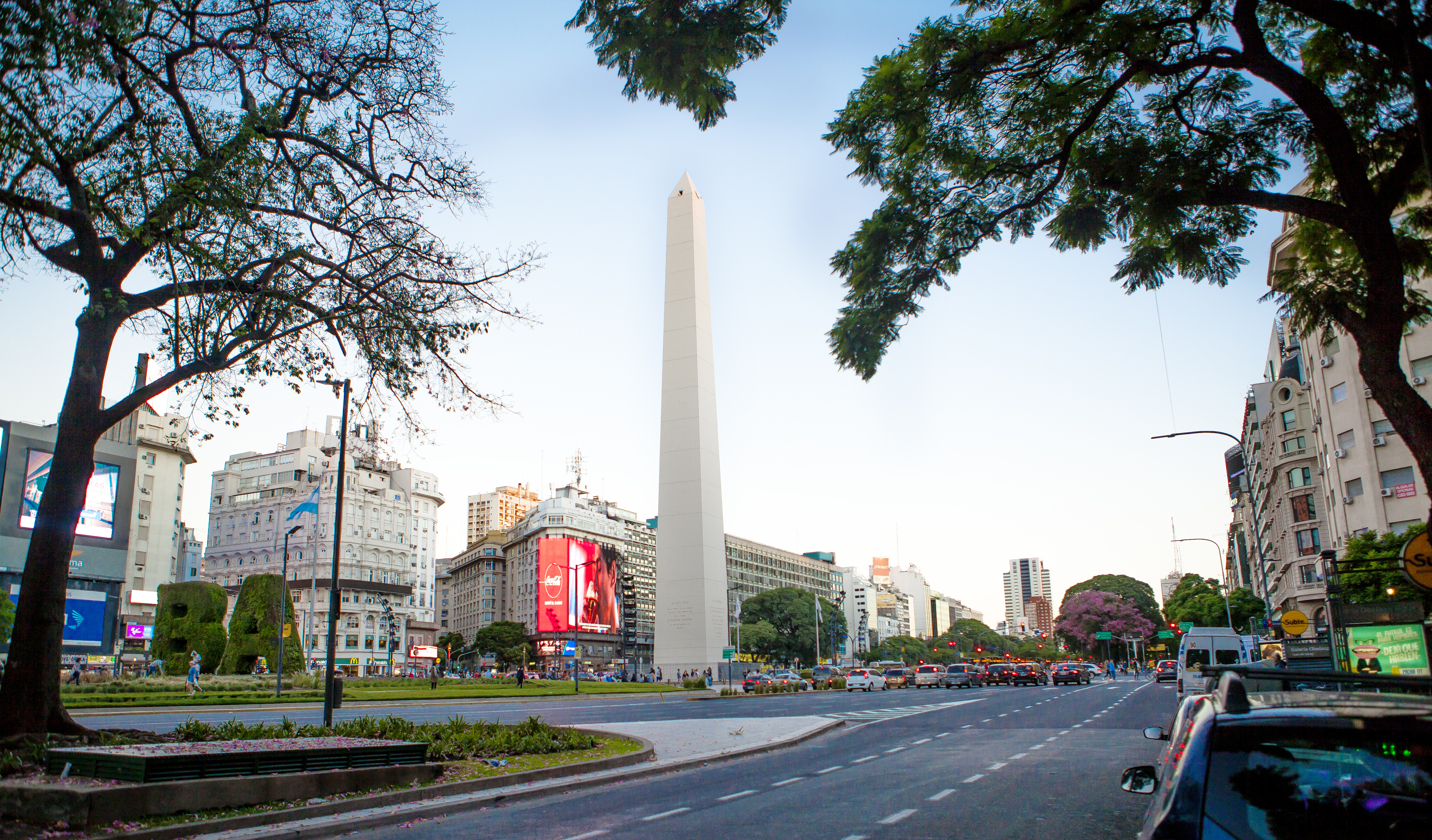
Buenos Aires
Paris of the South energy — neighbourhoods from Palermo to San Telmo, huge remote-work scene
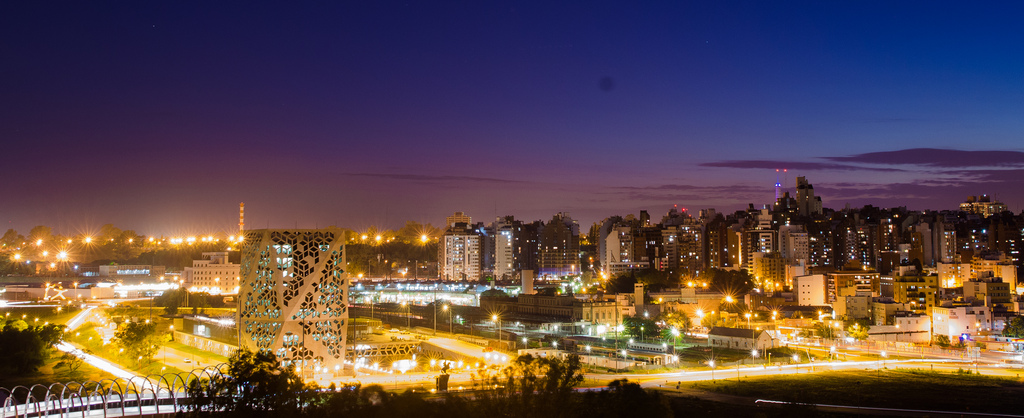
Córdoba
University city, hills nearby, slower and cheaper than BA — good for Spanish immersion
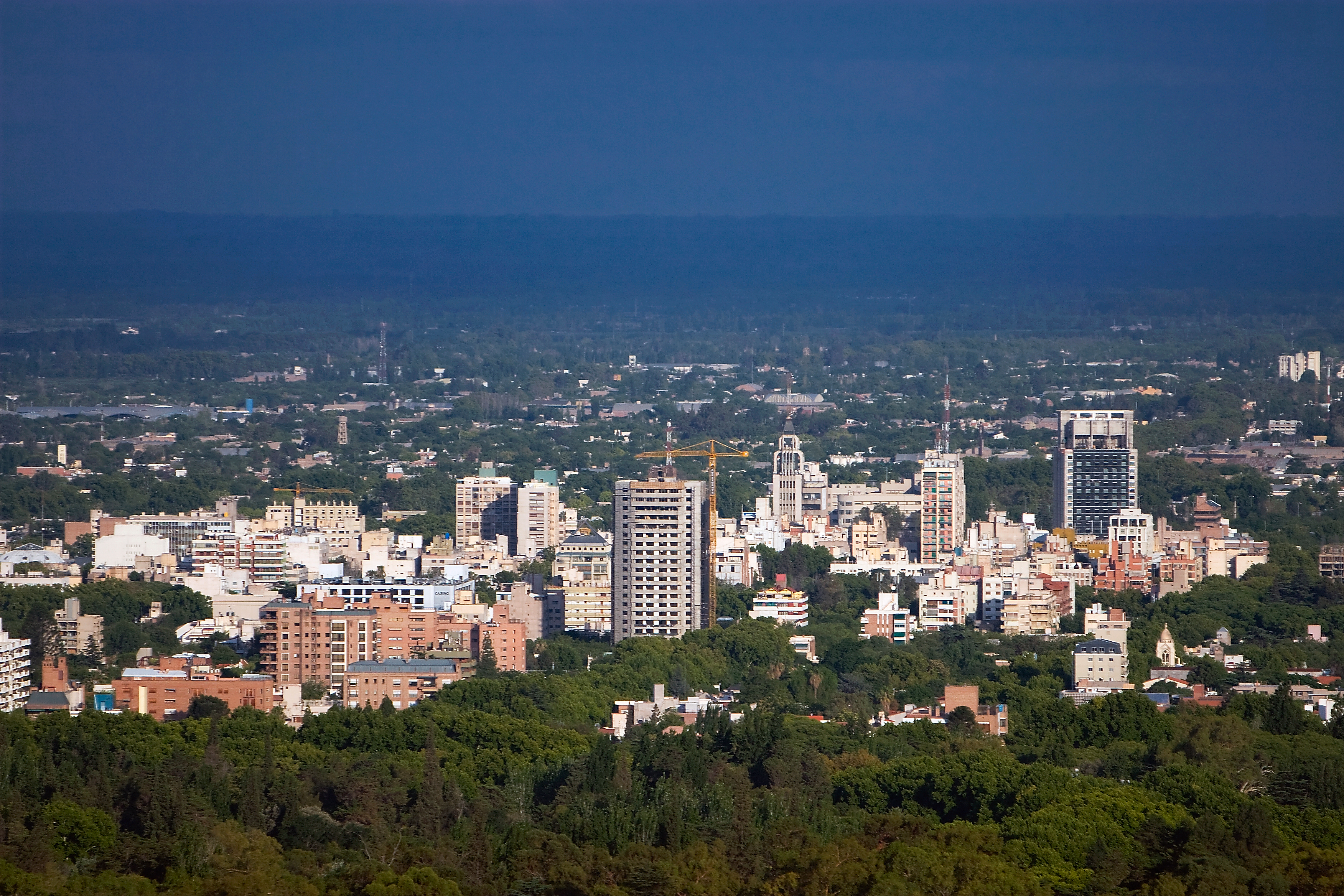
Mendoza
Wine country, Andean backdrop — smaller nomad circle, outdoor lifestyle
Neighbourhood picks
Buenos Aires
Palermo Soho / Hollywood
Green, cafes, nightlife — popular with nomads; verify apartment security and elevator condition. One-bed rents span wide USD-equivalent bands.
Buenos Aires
Recoleta
Formal, classic architecture, museums — quieter evenings, higher prices, family-friendly feel.
Córdoba
Nueva Córdoba
Walkable, student energy, bars — good base before exploring Sierras; check wifi in older buildings.
Banking & cash
Major banks include Banco Galicia, BBVA, Santander Río, and Macro — cuenta en pesos and sometimes USD-linked products for residents. Opening without DNI is difficult; Mercado Pago and similar wallets are ubiquitous for day-to-day peso life.
Foreign Visa/Mastercard cards work in cities; carry backup — some small merchants are cash-only. Western Union and cuevas (informal FX) historically offered better rates than official for USD cash; regulations shift — use legal channels when possible and understand reporting rules.
Wise and other fintechs may not give you a local ARS account; plan settlement in USD/EUR abroad and transfer strategically. Watch card foreign-transaction fees. For rent, landlords often quote USD monthly but collect in pesos at an agreed rate — get receipts.
Inflation is structural — keep emergency reserves in stable currency, avoid long peso hoarding, and revisit budgets monthly.
Health & safety
Public system (OS + hospitals) exists; quality varies by province. Many expats use private prepaga plans (Swiss Medical, OSDE, Galeno tiers) for faster access — premiums depend on age and zone.
Buenos Aires has strong private hospitals (Hospital Alemán, Italiano, CEMIC). Dental and elective care are popular with medical tourists — verify credentials.
Emergency: 107 (medical) in BA; 911 in many areas. Pharmacies are helpful for minor issues; prescriptions rules differ from the US/EU — ask a local GP.
Yellow fever certificate if travelling to northern border regions; routine vaccines up to date. Altitude not an issue in BA; Mendoza is moderate.
Culture & lifestyle
Dinner runs late — 9pm is normal; clubs peak after 1am. Personal space is closer than Northern Europe; greetings are one cheek kiss in social settings (context-dependent).
Politics and economy are sensitive — listen more than you lecture. Football is religion; Superclásico tickets need planning. Tipping ~10% in restaurants if service was good.
Housing: older buildings may lack central heating — ask about winter drafts. Noise: balconies and street life are loud; earplugs help in centro.
Learn basic lunfardo only for fun — clarity beats slang in contracts. Queuing at migraciones requires patience and full document folders — celebrate small bureaucratic wins with mate.
The real talk
The advantages
Rich culture — food, wine, literature, music
Affordable lifestyle when earning in hard currency
Strong remote-work infrastructure in BA
The challenges
Economic volatility and inflation — budget in USD mentally
Bureaucracy for long-term residency
Noise and pace in central BA
Join the conversation
Connect with nomads and locals—search these hubs to get started.
Frequently asked questions
Tax snapshot
Tax residency generally ties to centre of vital interests and time in country — rules are nuanced. Many short-stay nomads do not trigger AFIP obligations; longer stays, local employment, or property may. The informal 'blue' vs official exchange rate affects how you budget and invoice — speak with a cross-border accountant before optimising.
Community tips
Buenos Aires Digital Nomads, expat Facebook groups, milongas and language exchanges, football culture (plan around match days). Learn vos conjugations — porteño Spanish is distinct.
This destination is perfect for…
Ready to work remotely in Argentina?
Browse roles you can do from anywhere.
Browse jobs arrow_forward