
Canada
Last updated: April 2026


Overview
What remote workers notice first about Canada.
Strong infrastructure — fibre, healthcare, and rule of law
Express Entry and work-permit pathways for skilled roles — not a casual tourist-to-work switch
Digital nomad pilots have appeared in some provinces — verify current municipal programmes
Bilingual edge in Québec — French fluency opens Montréal/Québec City ecosystems
Visa Spotlight
eTA / visitor visa
Canada for remote workers: Toronto, Vancouver, Montréal, work permits, provincial health care, taxes, and quality-of-life context in 2026.
- check
Income proof
Foreign remote income documentation
- check
Clean record
Police certificate where required
- check
Local address
Lease or accommodation agreement
- check
Insurance
Health coverage per application rules
Duration: Typically 6 months default — border officer discretion·Fees: eTA low fee; visa fees vary
Requirements: No Canadian work without authorisation — remote work from abroad is a legal grey area if you centre life in Canada
Your passport matters
Entry and stay rules depend on citizenship and purpose of visit. Always confirm the latest requirements for your nationality with official government sources before you travel.
Full visa details arrow_forwardApplication process
IRCC online portals handle work permits and study permits — biometrics appointments, police certificates, and medical exams add calendar time. Express Entry draws for PR are points-based — language tests (IELTS/TEF) matter.
Employer-specific work permits require LMIA unless exempt — tech employers often use Global Talent Stream routes when eligible.
After landing, obtain SIN, provincial health card (waiting periods apply), and bank account. Driver licence exchange rules vary by province and origin country.
Rejections often trace to incomplete job letters, vague duties, or missing travel history — be meticulous.
Cost of Living
Ottawa lifestyle index
Estimated monthly budget for a high-quality nomadic lifestyle including a modern apartment, co-working, and weekend trips—based on the guide's worked example where available.
Example month — Toronto, one-bed downtown-ish:
Rent: $2,400 Utilities + internet: $140 Transport (TTC + occasional Uber): $180 Groceries: $520 Eating out: $450 Coworking: $220 Gym: $70 Tenant insurance: $35 Phone: $65 Misc: $200
Indicative total: ~$4,280. Montréal often 20–30% lower; Vancouver housing can push higher.
Top Nomad Hubs
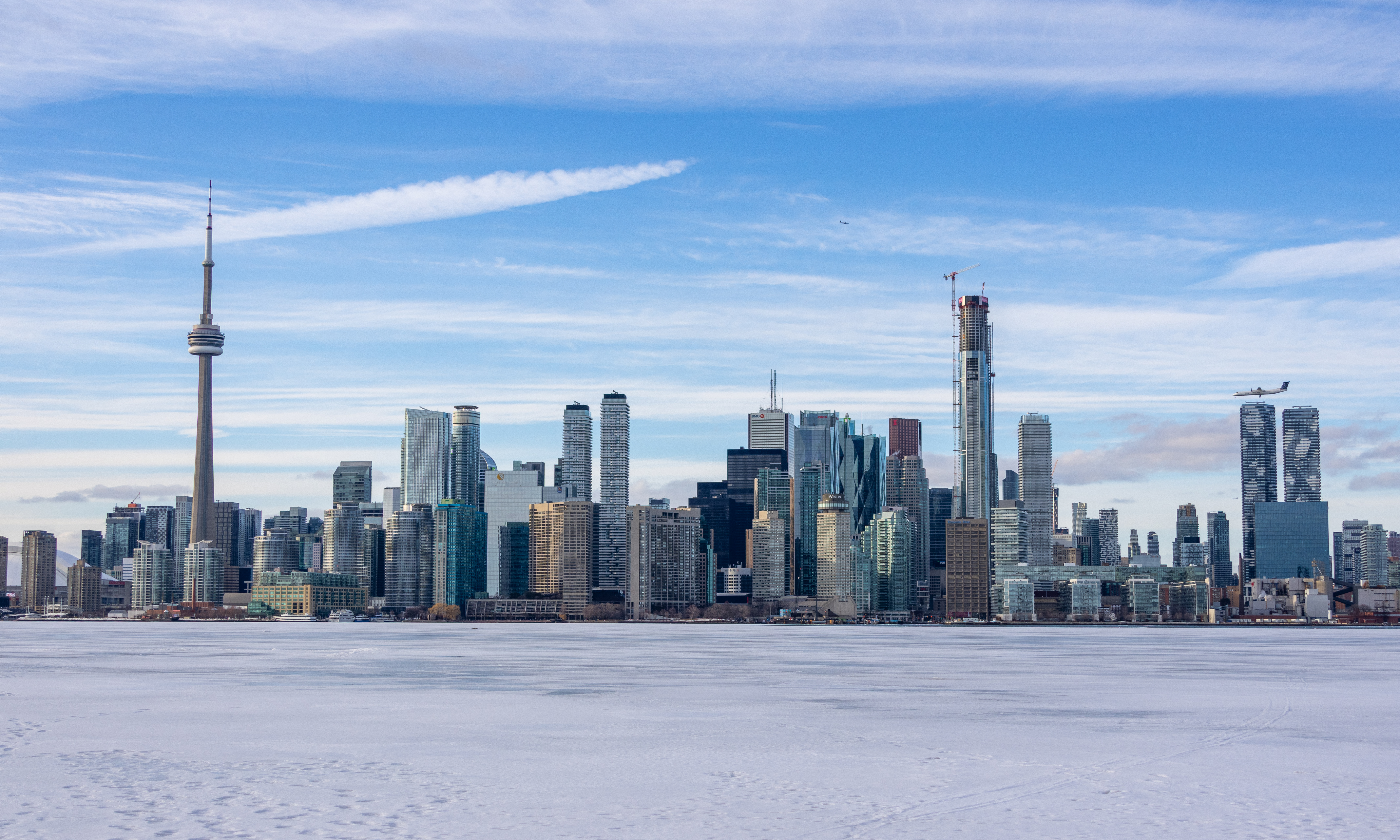
Toronto
Financial and tech hub — diverse neighbourhoods, cold winters, hot summers

Vancouver
Pacific rain + mountains — outdoor lifestyle, high housing costs

Montréal
European feel in North America — festivals, lower rent than Toronto/Vancouver
Neighbourhood picks
Toronto
Leslieville / Riverside
Transit-linked, family-friendly — still research condo fees and flood plains near the river.
Banking & cash
Big Five banks (RBC, TD, Scotiabank, BMO, CIBC) plus neobanks — open accounts with passport, study/work permit, and proof of address. Credit history starts fresh — secured cards build scores.
Interac e-Transfer dominates P2P payments. US cards work — DCC at terminals — decline and choose CAD.
Wise offers multi-currency balances — useful for USD/EUR clients. Cross-border tax reporting for US persons — FATCA compliance at banks.
Health & safety
Provincial health insurance (OHIP, MSP, RAMQ) covers medically necessary care once eligible — wait periods for newcomers. Private insurance fills gaps until then.
Major cities have teaching hospitals — Toronto SickKids, Vancouver VGH. Mental health access improving — waitlists for therapy persist — employer EAP plans help.
Telehealth (Maple, TELUS Health) supplements — not a substitute for emergencies — dial 911.
Culture & lifestyle
Punctuality valued in business — small talk about weather is universal. Indigenous reconciliation is a national conversation — listen and learn.
Québec language politics — French first in many services — effort matters. Hockey rivalries run deep — humour carefully.
Housing: bidding wars cooled in some markets — still research neighbourhood crime maps — not just aesthetics.
The real talk
The advantages
High quality of life
Healthcare access once resident
Diverse cities
The challenges
Housing costs in major metros
Cold winters
Immigration complexity
Join the conversation
Connect with nomads and locals—search these hubs to get started.
Frequently asked questions
Tax snapshot
Canadian tax residency generally arises on residential ties and 183+ days — worldwide income reporting for residents. Provincial tax varies — Québec has unique rules. Non-residents remote-working for foreign employers need a careful analysis — CRA guidance evolves — accountant essential before you assume treaty benefits.
Community tips
Meetup.com tech events, MEC outdoor culture, hockey small talk opens doors. Learn winter layering — -20°C commutes are real. Tipping ~15–20% in restaurants. Provincial health cards require residency periods — private insurance bridges gaps.
This destination is perfect for…
Ready to work remotely in Canada?
Browse roles you can do from anywhere.
Browse jobs arrow_forward